12 Fairytale Villages That Look Straight Out of a Storybook
Photo: Sorasak / UnsplashSome villages are just places to live. Others feel like places that wandered out of a picture book and decided to stay. This is a field guide to the second kind, the huddles of timber and cobblestone and pastel-painted houses that look less like real towns and more like somewhere a storyteller dreamed up on a rainy afternoon.
You'll recognise a couple of these; a great fairytale-village list would feel hollow without them. But the real joy of this atlas is what comes after the famous few, the storybook hamlets clinging to fjord walls and boulder fields and crumbling clifftops that most travel guides drive straight past. Skip the obvious, and the magic gets quieter, stranger, and entirely your own.
Here are twelve villages that look straight out of a storybook, and how to catch each one at its most enchanting.
1. Hallstatt, Salzkammergut, Austria
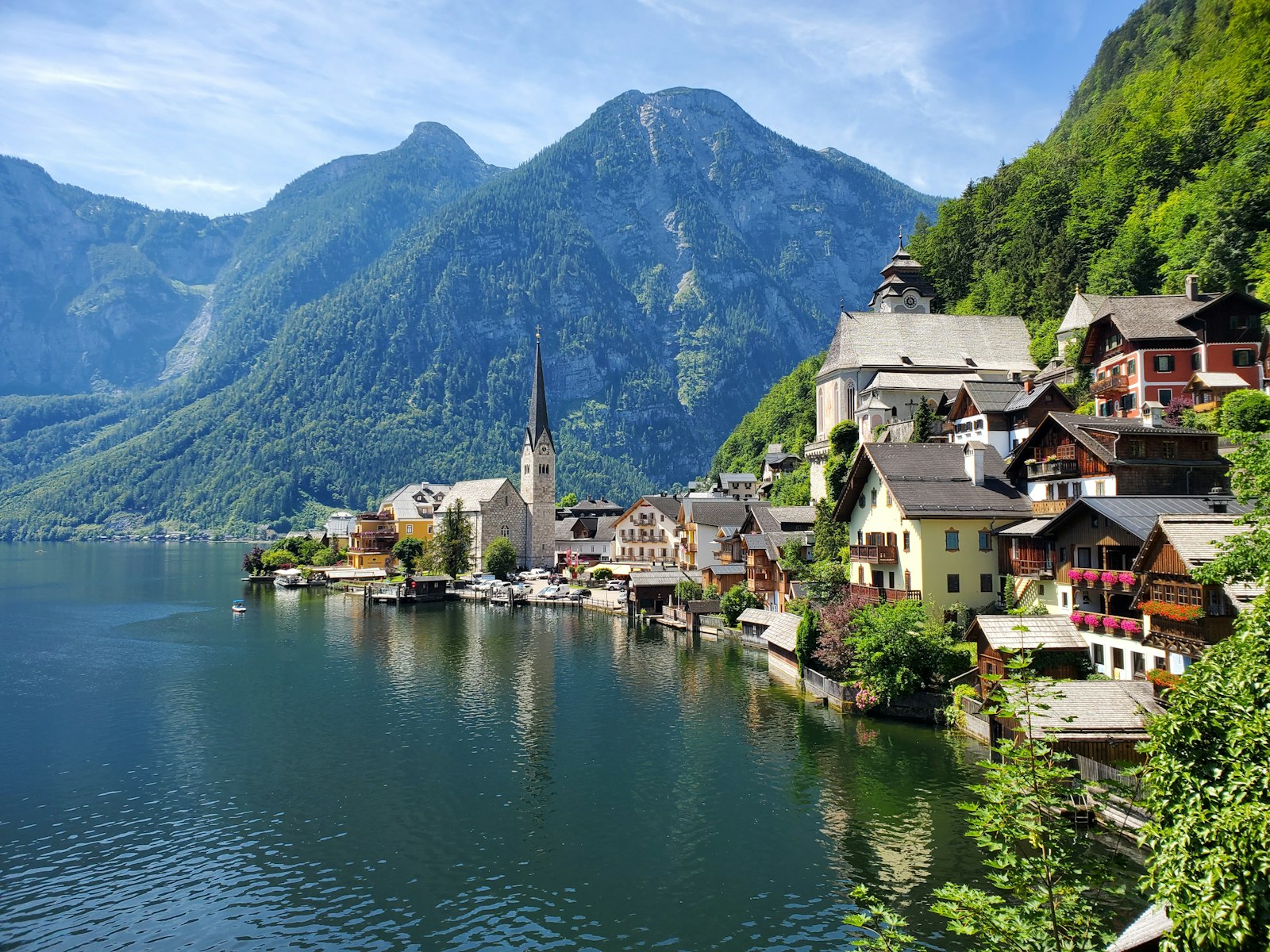
The one everyone pictures. Hallstatt is so impossibly storybook that a Chinese company once built a full-scale replica of it in Guangdong, and yet nothing compares to the original at first light, when the lake lies flat as glass and the pastel houses seem to float between the water and the wall of mountains behind them. Wedged onto a thin strip of shore beneath the peaks, it has been lived in for thousands of years, its salt mine among the oldest in the world.
The whole village is barely a few lanes deep, which is part of the spell: church spire, wooden balconies spilling with geraniums, boats nodding at the waterline, all mirrored in the lake. It is beautiful enough that by midday it can vanish beneath the crowds who pour in to photograph it.
The secret is simple: stay the night. The tour boats and buses empty out by evening, and for a few golden hours around dawn the lakeside lanes belong almost entirely to the people who chose to linger. Come in early autumn, when the light turns amber and the summer crush has eased.
2. Colmar, Alsace, France
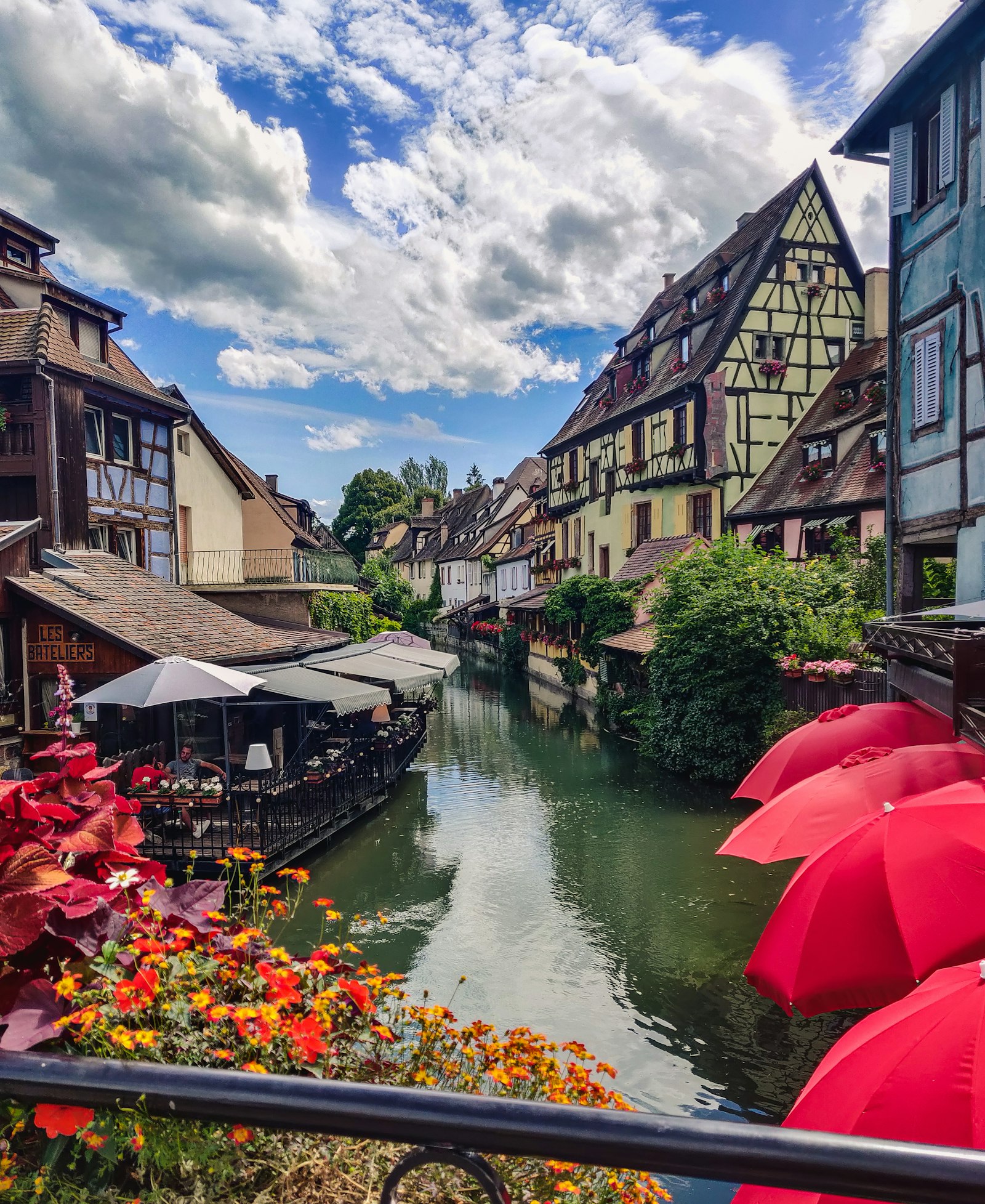
Colmar looks as though someone took every half-timbered house in a children's book and arranged them along a canal. Its old quarter is a riot of crooked timber façades painted in sherbet colours, pink, mint, butter yellow, leaning over cobbled lanes and a slow green waterway lined with flowers, the district known fondly as La Petite Venise, Little Venice. Its dreamlike streets are often cited as an inspiration for the backdrops of Studio Ghibli's animators, and it's easy to see why.
Sat on the Alsace wine route where French and German histories braid together, Colmar has a look all its own: window boxes overflowing, wrought-iron shop signs, and a light that seems tuned for postcards. In December the whole town turns into one of Europe's loveliest Christmas markets.
To feel the fairy tale rather than the crowd, wander the back lanes off the main squares early in the morning, or stay into the evening when the day-trippers have gone and the canal reflections light up. Pair it with the smaller wine villages nearby for a slower, quieter Alsace.
3. Rothenburg ob der Tauber, Bavaria, Germany
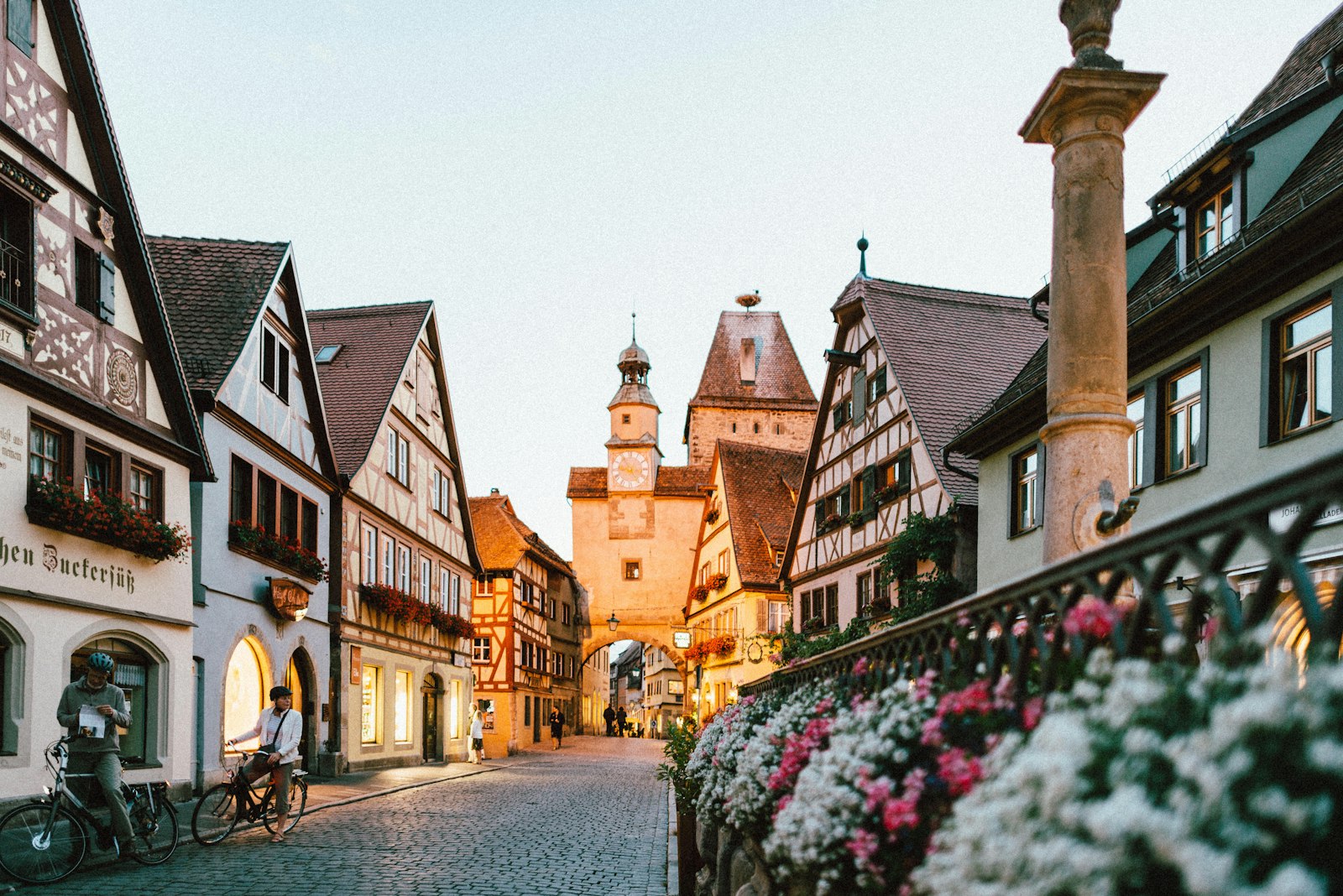
A walled medieval town so perfectly preserved it feels staged, Rothenburg is all steep red roofs, timbered houses, and cobbled lanes wrapped inside a complete ring of town walls you can still walk. At its most famous corner, the Plönlein, two crooked houses and a fountain sit beneath a pair of towers in an arrangement so storybook it's said to have helped inspire the village in Disney's Pinocchio.
The jewel of Germany's Romantic Road, Rothenburg survived the centuries partly by falling asleep: too poor after old wars to modernise, it kept its medieval bones intact while grander cities rebuilt. Today you can climb the towers, walk the covered ramparts, and lose an afternoon in lanes that haven't changed their shape in five hundred years.
It's popular, so timing is everything. Stay overnight inside the walls and you'll have the lantern-lit lanes to yourself once the coaches leave. Come in winter and a dusting of snow on those red roofs tips the whole place fully into fairy tale.
4. Giethoorn, Netherlands
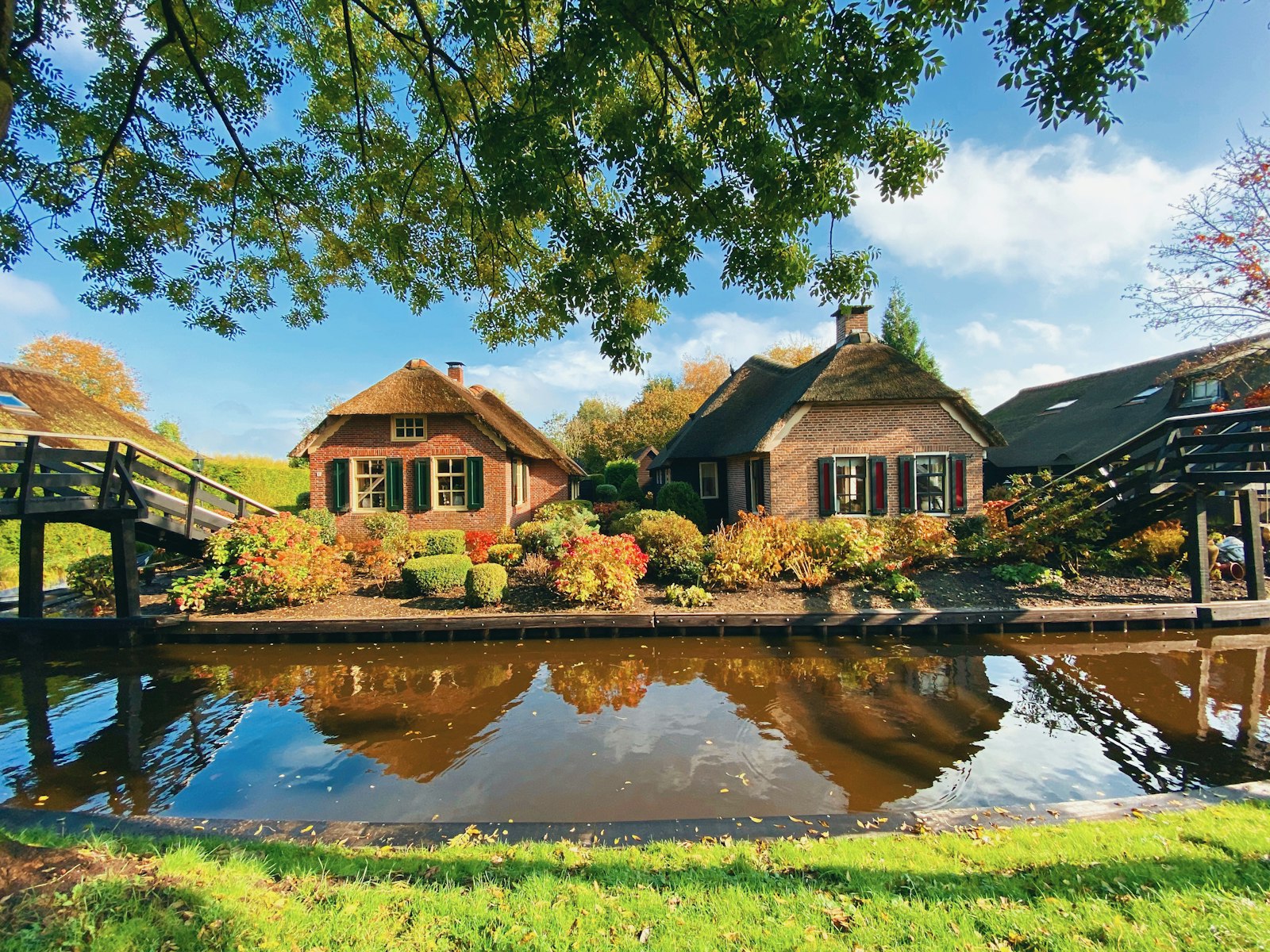
A village with almost no roads, Giethoorn is stitched together not by streets but by canals, its thatched farmhouses set on little islands and linked by more than a hundred arched wooden footbridges. There are corners of the old village where the only way to your front door is by boat, which has earned it the nickname "the Venice of the Netherlands," though it feels far gentler and greener than that comparison suggests.
Whisper-quiet electric "whisper boats" drift along the reed-lined waterways past gardens and humpbacked bridges, with barely an engine sound to break the calm. The thatched roofs, the willows, the water lilies, it all reads like the setting of a slow, kind fairy tale.
Day-trippers arrive from Amsterdam in numbers, so go early or stay late, and rent your own little boat to slip beyond the busy central stretch into the quieter canals. Spring and early summer, when the gardens bloom, are especially lovely.
5. Bibury, Cotswolds, England
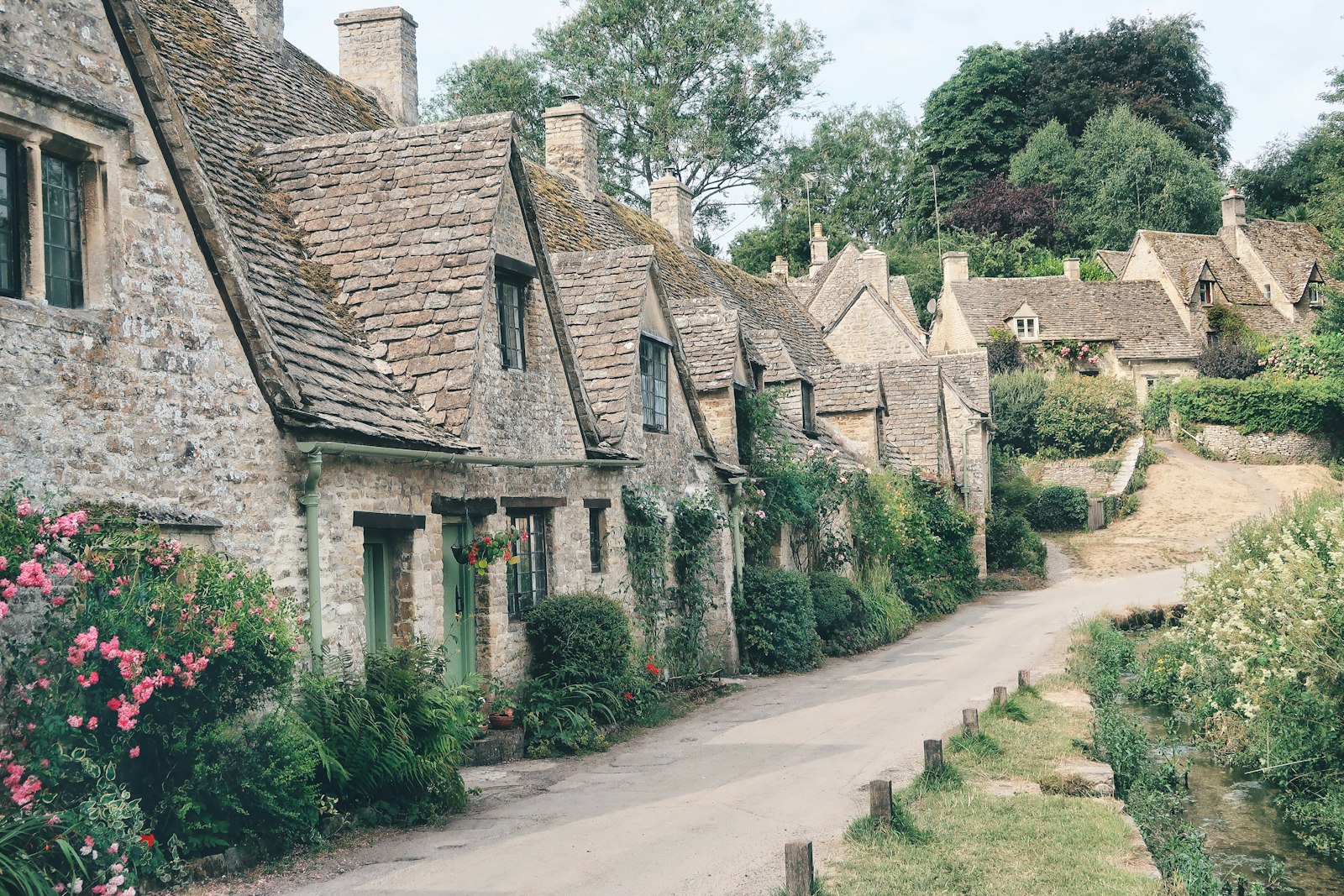
If England has a village from a storybook, this is a strong contender. Bibury's row of honey-coloured stone cottages, Arlington Row, curves along a little lane above a water meadow, their steep gables and wonky rooflines glowing gold in the Cotswold light. The Victorian designer William Morris is often quoted calling Bibury the most beautiful village in England, and generations of visitors have agreed.
The cottages were built as a wool store in the 14th century and later converted for weavers, which is why they have that low, higgledy-piggledy charm. A clear trout stream, the River Coln, runs through the village past a mill and an old inn, with weeping willows trailing into the water.
Bibury is tiny and much-photographed, so it can feel busy by mid-morning. Come at first light, when mist still hangs over the meadow and the stone is at its warmest, and combine it with a slow loop through the other Cotswold villages, Bourton, the Slaughters, Castle Combe, each its own pocket of storybook England.
6. Reine, Lofoten Islands, Norway
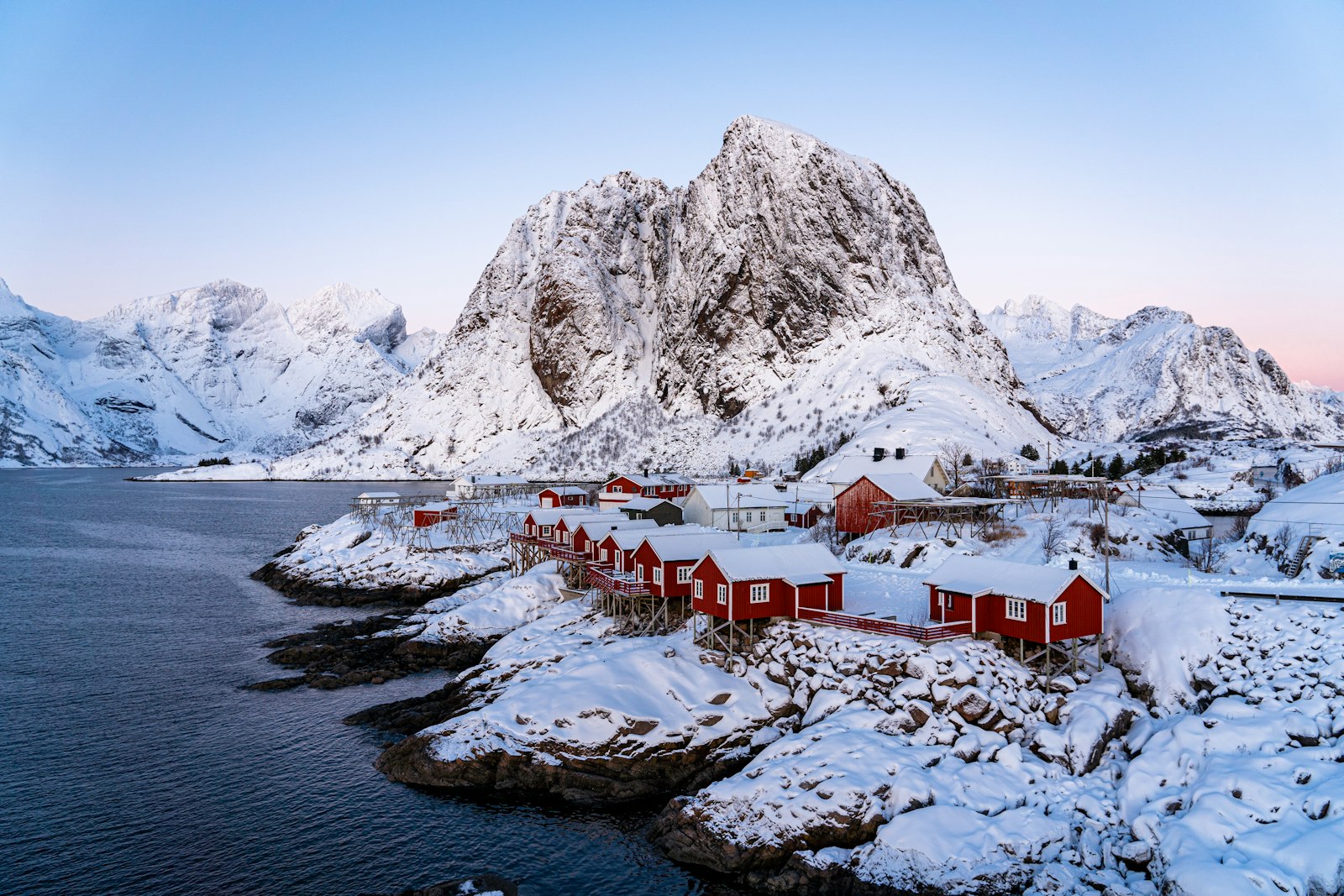
Above the Arctic Circle, scattered on stilts over still water, the red-and-ochre fishing cabins of Reine sit beneath a ring of granite peaks so sheer and dramatic they look painted onto the sky. It's a working fishing village turned accidental fairy tale, the wooden rorbuer, once cod fishermen's huts, now mirrored in the fjord with mountains towering straight up behind them.
The magic here is scale. The peaks rise almost vertically from sea level, and in the long summer light of the midnight sun the whole scene glows for hours. Come in winter instead and, on a clear cold night, the northern lights ripple green above the red cabins and the snow.
Reine is remote, which is exactly why it stays enchanting. Base yourself in one of the rorbuer cabins, hike up to the Reinebringen viewpoint for the classic look down over the village and islets, and let the weather do the storytelling, the moodier the better.
7. Český Krumlov, Czech Republic
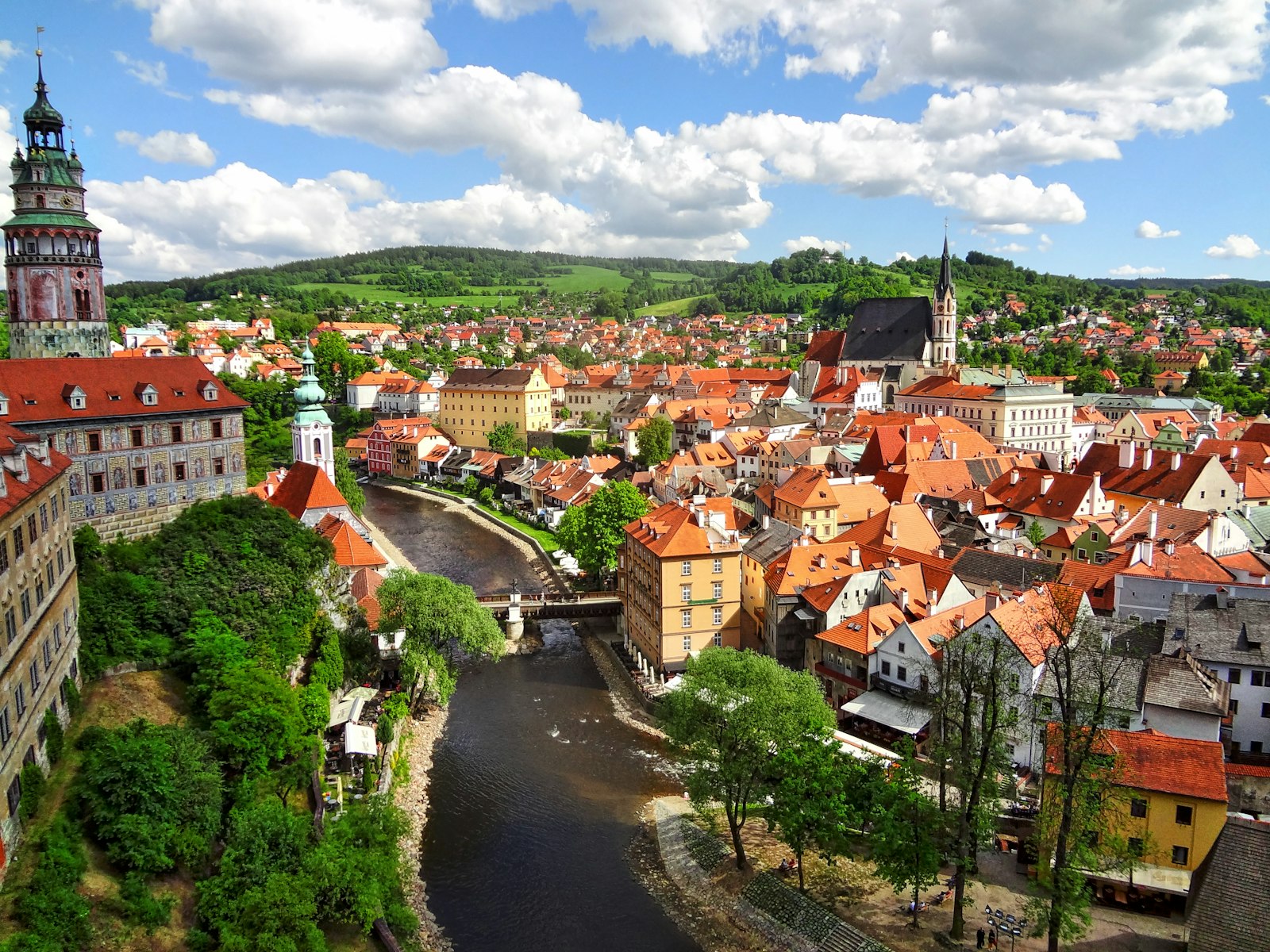
Wrapped in a tight S-bend of the Vltava river, the old town of Český Krumlov is a maze of red rooftops, cobbled squares, and crooked lanes crowned by a rambling castle with a famously painted round tower. From the hillside above, the whole scene curls in on itself like an illustration, the river looping around the town as if drawn there to keep it safe.
Little changed since the Renaissance, the town grew up around one of Bohemia's grandest castles, complete with a bear moat, baroque theatre, and terraced gardens. Down in the streets, artists' workshops, tucked-away courtyards, and riverside cafés give it a bohemian warmth beneath all the storybook stone.
It has been discovered, so summer days get busy. Stay a night and wander the lanes after dark when they empty out and the castle lights up, or come in shoulder season. For the postcard view, climb to the castle tower or the cloak bridge and look down over the rooftops and the river.
8. Bled, Slovenia
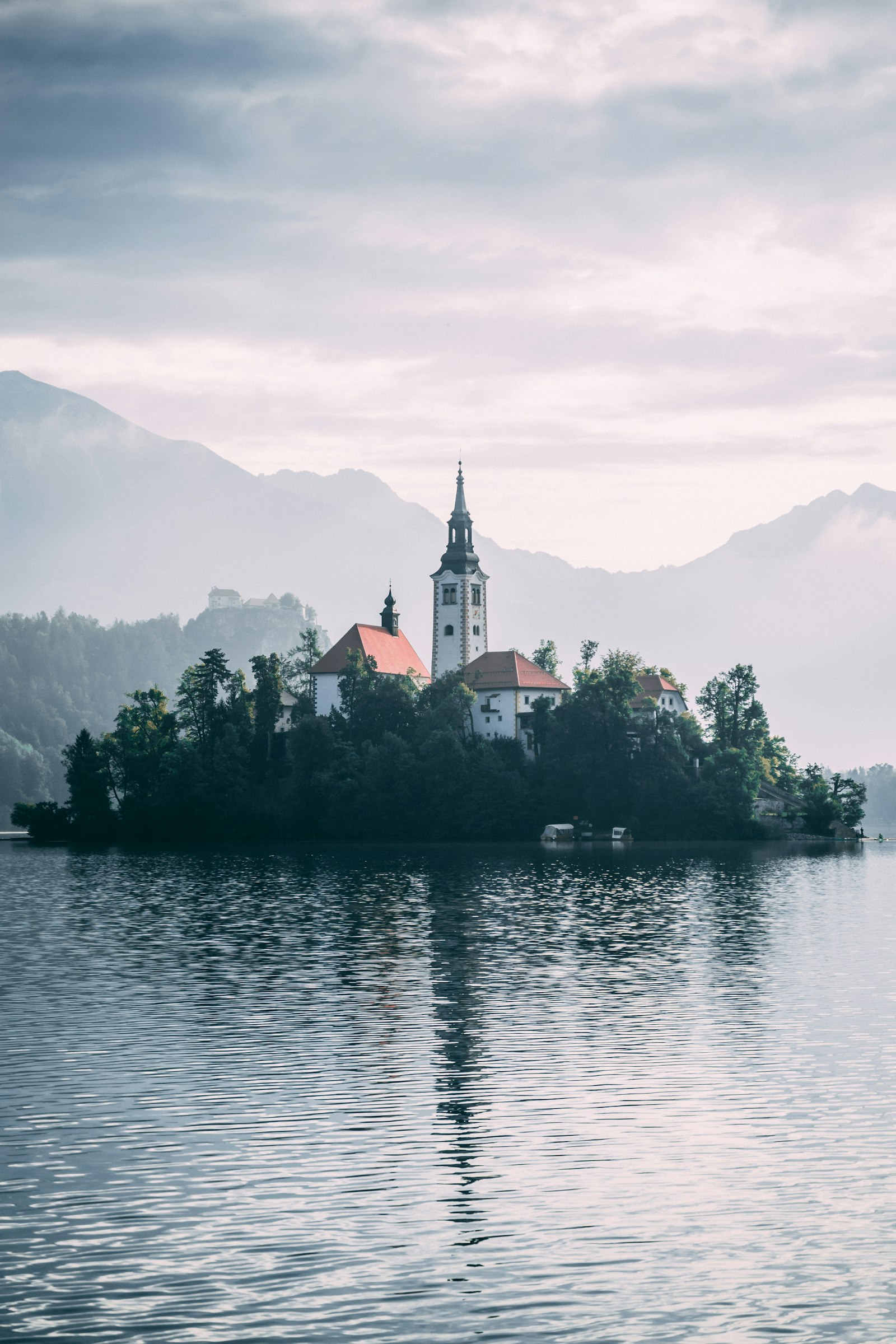
Bled is a fairy tale with an island at its heart. On a glassy alpine lake sits a single tiny island crowned by a church spire, with a medieval castle clinging to a cliff above the shore and the Julian Alps rising beyond. It is almost too neatly perfect, the kind of scene you assume has been touched up until you stand in front of it.
Tradition says you should be rowed out to the island in a traditional flat-bottomed pletna boat, climb the ninety-nine steps, and ring the church bell to make a wish. The lakeside town below is gentle and green, with a shore path made for slow walks and a famous cream cake to reward them.
To keep the magic, come early or late in the day and out of high summer, when the light softens and the crowds thin. Walk or cycle the full loop of the lake, and hike up to the Ojstrica or Mala Osojnica viewpoints for the classic look down over the island cradled in the water.
And now the ones most travel guides never mention, the reason this atlas exists.
9. Eguisheim, Alsace, France
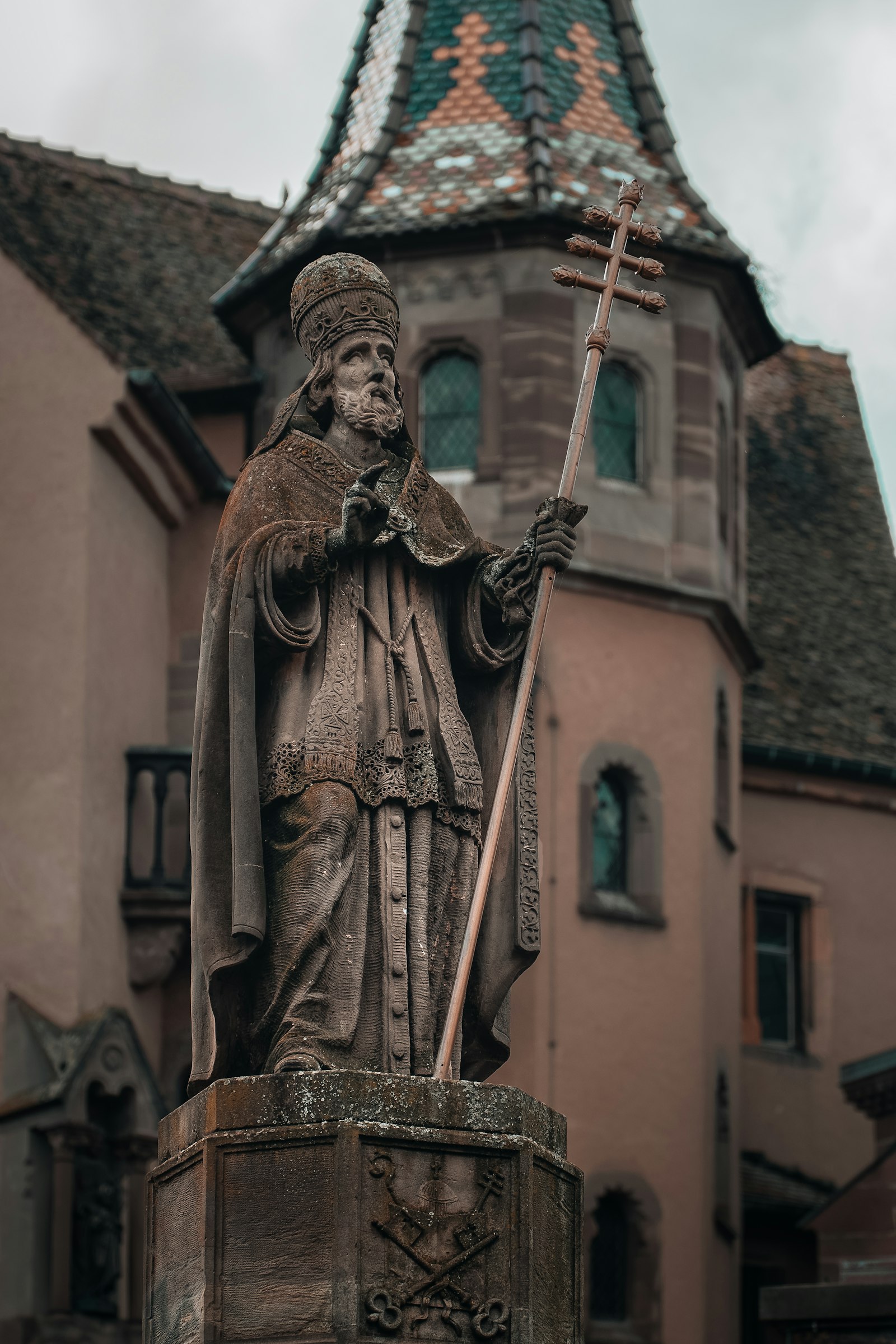
Just down the wine road from Colmar, and far quieter, Eguisheim spirals. The village grew in concentric rings around a central castle, so its lanes curl in near-perfect circles, a ripple of crooked, candy-coloured timber houses drowning in flowers, one folding into the next. Walk it and you find yourself gently orbiting the middle of the village without ever quite meaning to.
It regularly appears on lists of France's most beautiful villages, yet it stays wonderfully unhurried compared with its famous neighbour. Each house seems to compete in charm, ancient beams painted rose and ochre and blue, window boxes tumbling with geraniums, a stork's nest perched on a rooftop. It's also, quietly, the birthplace of a medieval pope.
Because most visitors give Alsace only a day and spend it in Colmar, Eguisheim rewards anyone who lingers. Come for the evening, when tour groups have gone, stay in a village guesthouse, and follow the circular lanes at dusk with a glass of the local wine. Loop in the neighbouring hilltop villages of Riquewihr and Kaysersberg for more of the same, minus the crowds.
10. Civita di Bagnoregio, Italy
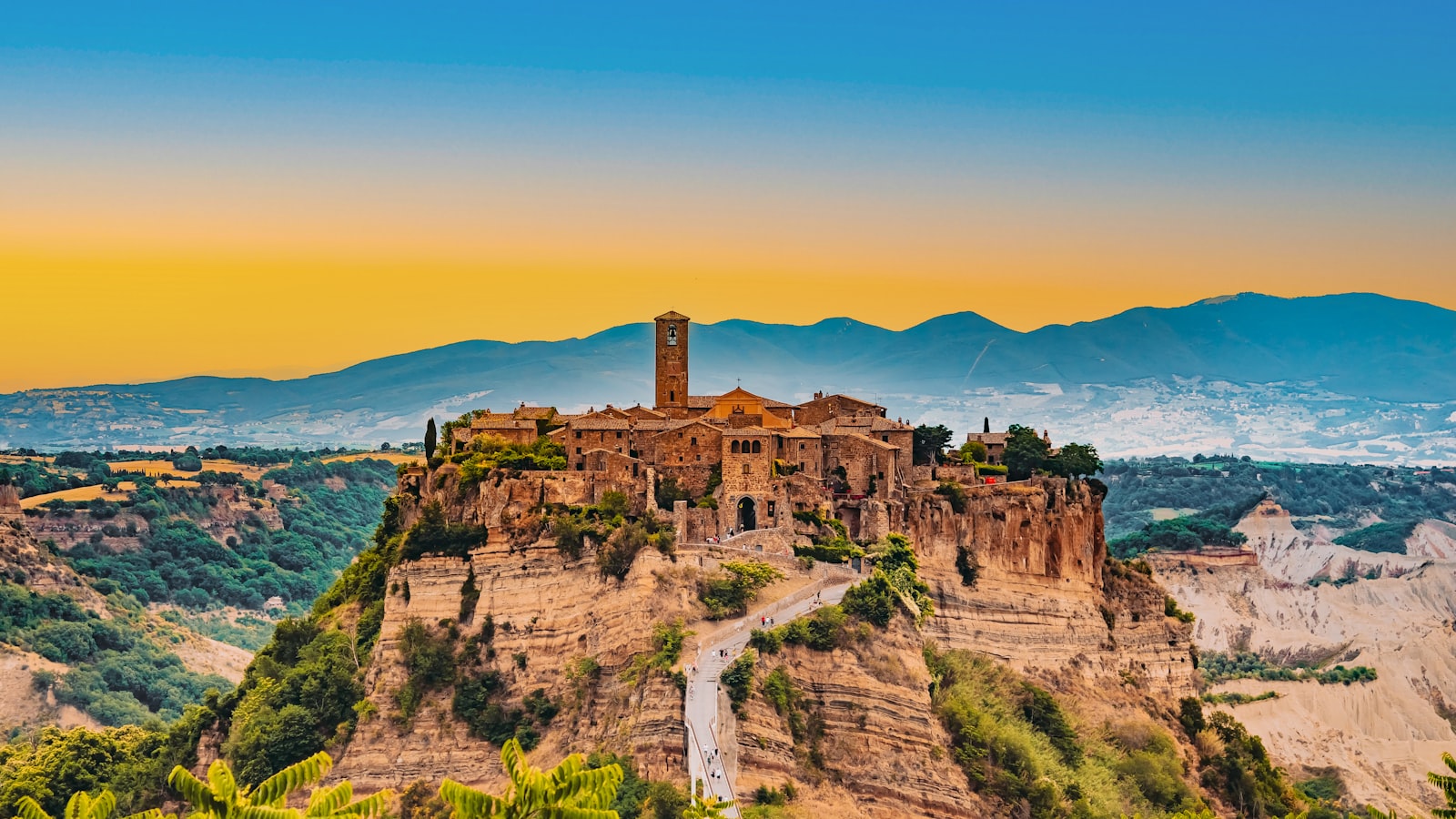
Marooned on a pinnacle of crumbling volcanic rock, reachable only by a long pedestrian footbridge, Civita di Bagnoregio floats above a valley of eroded badlands like a town that forgot to come down to earth. They call it la città che muore, the dying town, because the soft cliffs beneath it keep slowly falling away, leaving the ancient village stranded higher and more improbably each year.
Cross the bridge on foot and you step into a near-silent knot of medieval stone lanes, ivy-hung archways, and tiny piazzas, home to only a handful of permanent residents. From the edge of the village the whole surreal landscape opens up, ridges and ravines of pale clay stretching into the haze, with Civita perched at the centre of it all.
It's genuinely offbeat and best felt in the quiet. Arrive early or stay overnight in the valley so you can cross the bridge before or after the daytime visitors, ideally when morning mist pools in the ravines below and the town seems to hover on a cloud.
11. Monsanto, Portugal
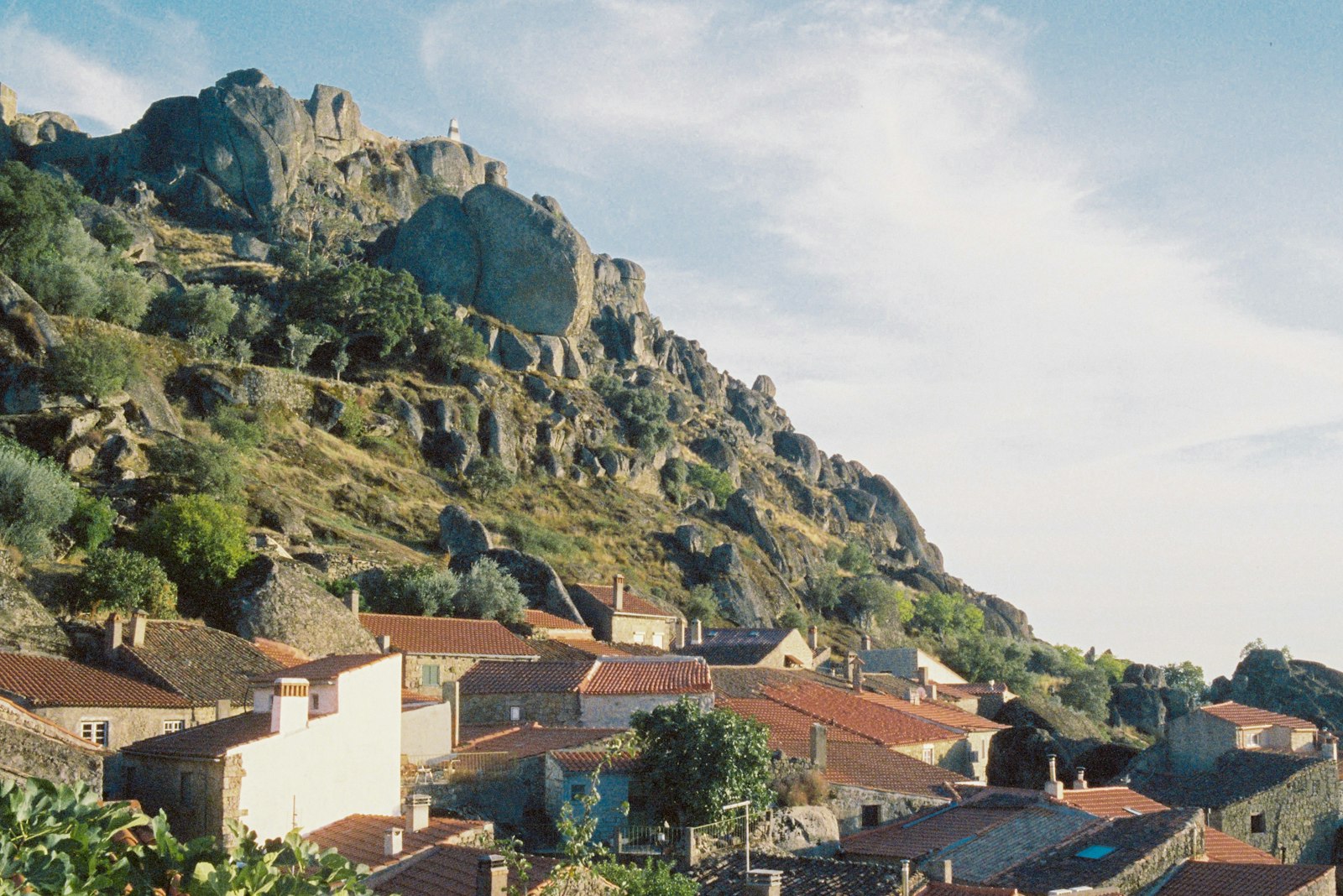
Monsanto looks as though giants left their marbles on a hilltop and villagers simply built their homes around them. Enormous granite boulders, some the size of houses, tumble across the slope, and the stone cottages are wedged between, beneath, and even under them, boulders forming walls, roofs, and doorways as if the village and the mountain had grown into each other over the centuries.
Clinging to a steep hillside in the remote interior of Portugal, crowned by the ruins of a Templar castle, Monsanto once earned the title of "the most Portuguese village" for keeping its old ways intact. Its dramatic boulder-strewn silhouette was striking enough to stand in for a fantasy stronghold when a major television production came looking for somewhere that felt built by dragons.
This is deep, slow-travel Portugal, well off the coastal trail, and all the more magical for it. Climb through the village to the castle ruins for sweeping views over the plains, stay in one of the stone guesthouses, and time your visit for late afternoon, when the low sun sets the granite glowing.
12. Gásadalur, Faroe Islands
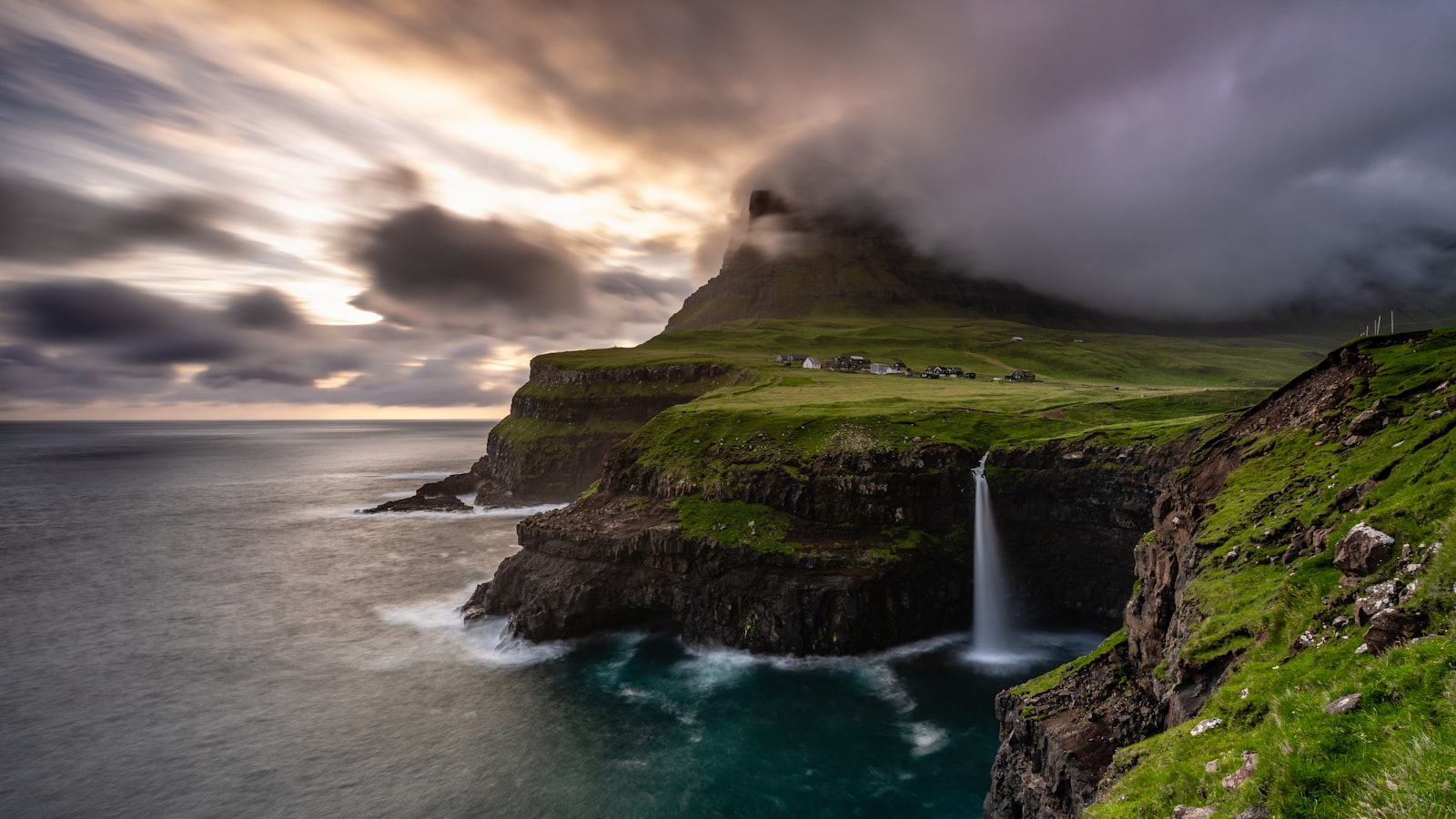
Perhaps the most improbable village on this list, a scatter of houses on a green shelf of land high above the North Atlantic, with a waterfall, Múlafossur, pouring straight off the cliff edge beside it and falling into the sea. Behind it, sheer green mountains; in front, nothing but ocean and sky. Gásadalur looks less like a village than the last inhabited spot before the edge of the world.
For most of its history it was almost unreachable. Until a tunnel was blasted through the mountain in 2004, the village's few residents crossed a steep mountain pass on foot, sometimes carrying the post and their shopping over the top, or waited for a helicopter. That isolation is exactly why it stayed so untouched and so quietly astonishing.
The Faroes reward travellers who chase the weather and the light rather than the calendar. Come prepared for mist and sudden sun, walk out to the classic viewpoint over the waterfall, and give yourself time; on these islands the clouds part when they choose, and the moment they do, Gásadalur is unforgettable.
Where to start
If you can only chase one, let it be the one that surprises you: Gásadalur for the sheer edge-of-the-world drama, Monsanto for its giant's-marbles strangeness, or Civita di Bagnoregio for the thrill of a town floating on a crumbling cloud of rock. And if you want the icons, catch Hallstatt or Rothenburg at dawn, before the day's crowds turn the magic into a queue.
The storybook feeling of these villages isn't only in the timber and the stone. It's in the moment the lane bends, or the mist lifts, and a whole little world appears exactly as you'd have drawn it as a child.
Keep wandering through the Fairytale Villages & Storybook Towns collection for more, or tell us the storybook village we missed. That's the fun of an atlas. It's never quite finished.
Keep exploring
The Most Enchanting Fairytale Villages in Belgium
Belgium's true storybook side hides in the countryside, from a whitewashed village near Bruges to the stone hamlets, moated towers, and castle towns of the Ardennes.
The Most Enchanting Castles in Belgium
Belgium hides a startling number of storybook castles, from a six-towered fairytale keep near Dinant to a moated brick fortress on the edge of Brussels.
The Most Enchanting Cafés & Beer Bars in Belgium
Belgium's real magic hides in its brown cafés and old beer bars, from a Bruges pub open since 1515 to a Brussels den where the surrealists once drank.