12 Enchanted Forests That Look Straight Out of a Fairytale
Photo: Mitchell Orr / UnsplashSome forests are just trees. Others feel like somewhere the ordinary rules have quietly stopped applying, where the light falls in shafts, the moss climbs everything, and you half expect the path to lead somewhere that isn't on any map. This is a field guide to the second kind, the woods that feel less like a place and more like a spell nobody remembered to lift.
You'll know one or two of these; a great enchanted-forest list would feel thin without them. But the real joy of this atlas is what comes after the famous few, the mossy cloud forests and boulder-strewn oak woods and hillsides of impossible palms that most travel guides never think to send you toward. Skip the obvious, and the magic gets quieter, stranger, and entirely your own.
Here are twelve forests that look straight out of a fairytale, from the icons to the deep cuts, and how to catch each one at its most enchanting.
1. The Black Forest, Germany
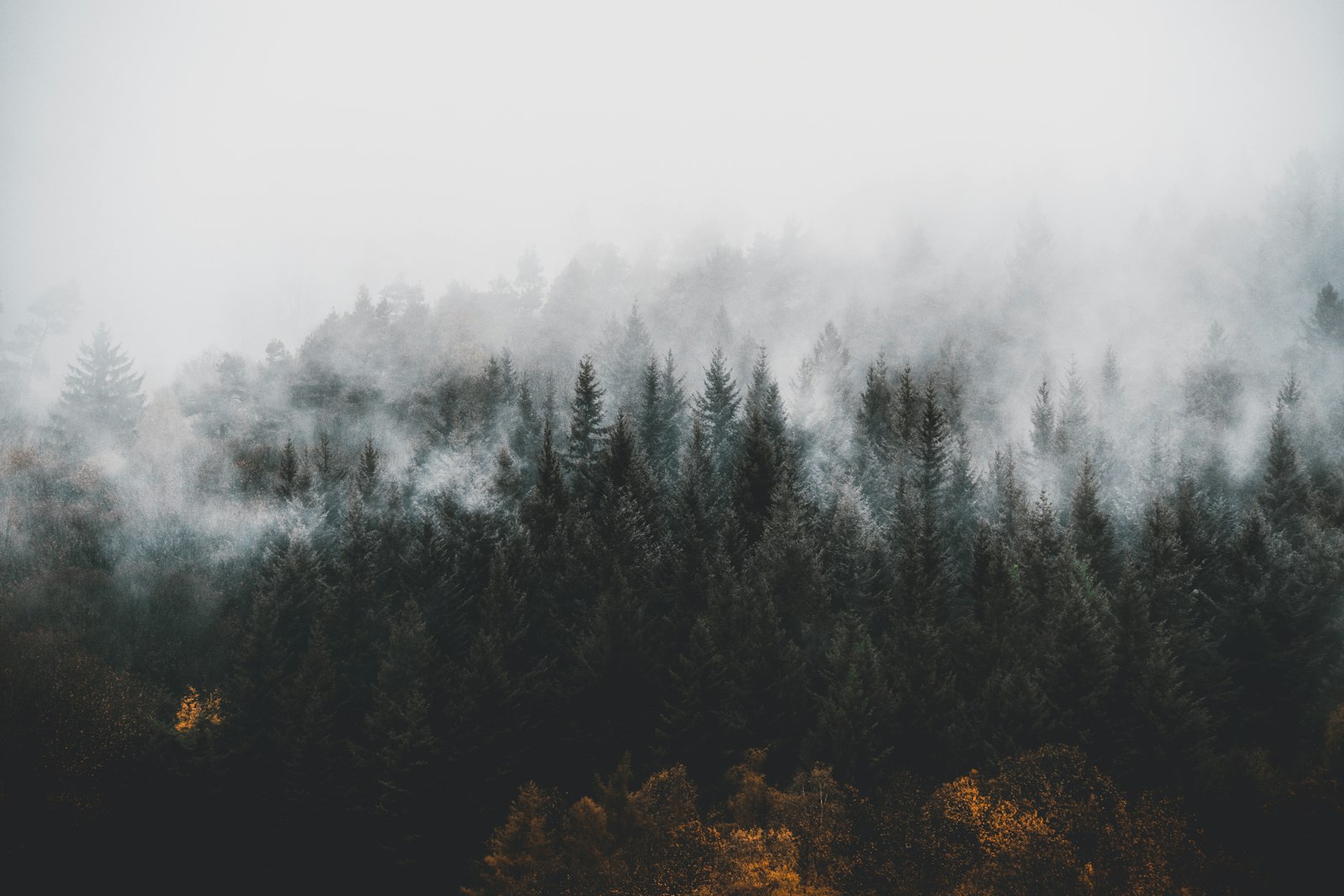
If any forest earned the fairytale, it's this one. The Black Forest takes its name from the firs that grow so dense and dark that little light reaches the floor beneath them, a shadowed hush of a wood rolling across the hills of southwest Germany. This is the landscape the Brothers Grimm grew up alongside, and it's easy to feel their stories in it: the deep woods where children lose the path, witches keep cottages, and something is always watching from between the trunks.
Beyond the atmosphere, it's a gentle place to wander, threaded with waterfalls, half-timbered villages, cuckoo-clock workshops, and slow forest trails that open onto sudden clear-cut views. Cloud pools in the valleys at dawn, and the firs march up the ridges in ranks of near-black green.
For the storybook version, come on a misty morning in the cooler months, when the fog sits low between the trees and the wood feels genuinely enchanted. Base yourself in a village like Triberg or Gengenbach and follow the quieter trails away from the main viewpoints, where the silence does the storytelling.
2. Arashiyama Bamboo Grove, Kyoto, Japan
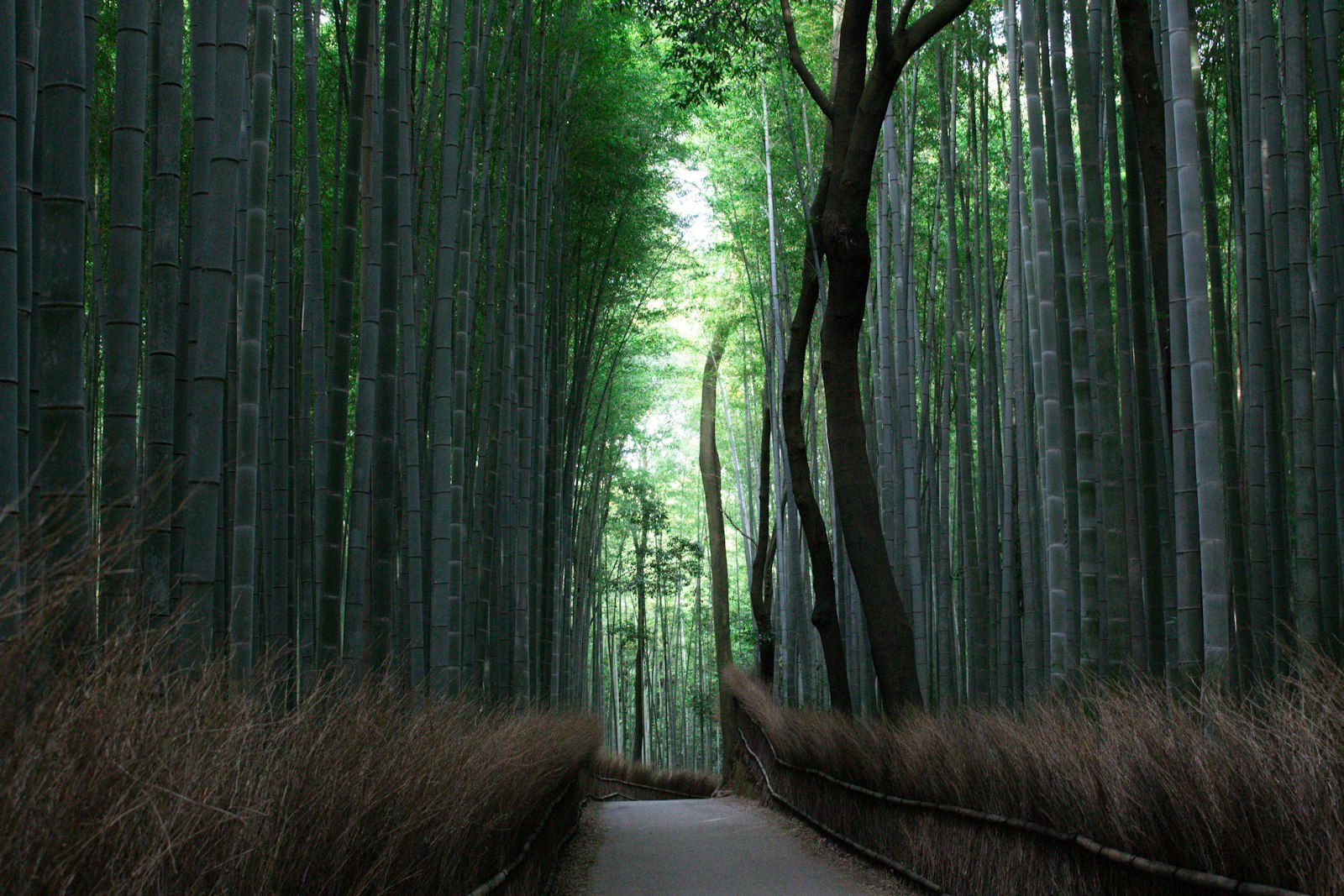
Step into the Arashiyama grove and the world turns green and vertical. Thousands of bamboo stalks rise dozens of feet on either side of the path, so close and so tall they knit into a swaying ceiling overhead, and the light filters through them in a soft, shifting jade. When the wind moves, the whole grove creaks and rustles and sways at once, a sound the Japanese have long counted among the country's most treasured.
On the western edge of Kyoto, the grove sits among temples, a river, and old villa gardens, so an afternoon here folds easily into a wider wander through one of Japan's loveliest corners. But it's the bamboo itself that stays with you, the strange hush of walking through a corridor of living green.
It is no secret, which is exactly the problem: by mid-morning the main path can be shoulder to shoulder. Arrive at first light, ideally just after dawn, and you may have the swaying green tunnel almost to yourself for a little while. Autumn and fresh spring green are both beautiful, but the grove is magical year-round.
3. Redwood National Park, California, USA
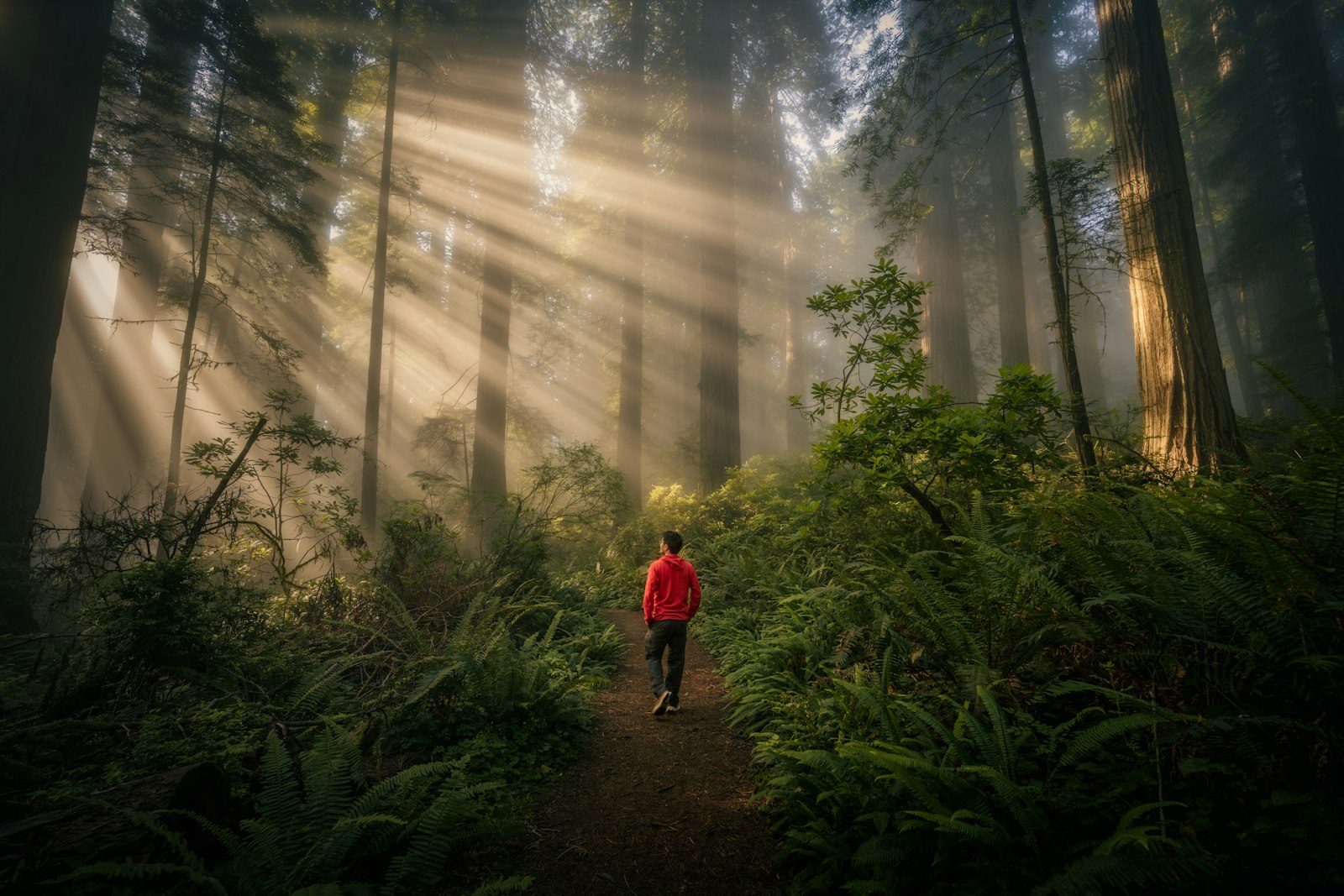
Nothing quite prepares you for standing among the tallest living things on earth. The coast redwoods of northern California soar over three hundred feet into the fog, their trunks broad as rooms, some of them older than most of recorded history. Walk in among them and sound goes soft, the light drops to a green dusk, and you feel abruptly, wonderfully small, the way a child feels beneath grown-up furniture.
Ferns unfurl at the base of the giants, mist threads between the trunks, and everything is carpeted in a deep, springy hush. The sense of ancient, patient scale is overwhelming in the best way. Filmmakers have borrowed these groves before; some of the forest-moon scenes in the Star Wars films were shot among redwoods just like these, and it's not hard to see why they read as another world.
Come on a foggy morning, when the mist pours through the canopy in visible shafts and the forest looks lit from within. Walk one of the quieter groves, Lady Bird Johnson or the Tall Trees, rather than the roadside pullouts, and go slowly. This is a forest that rewards standing still.
4. Hallerbos, Belgium
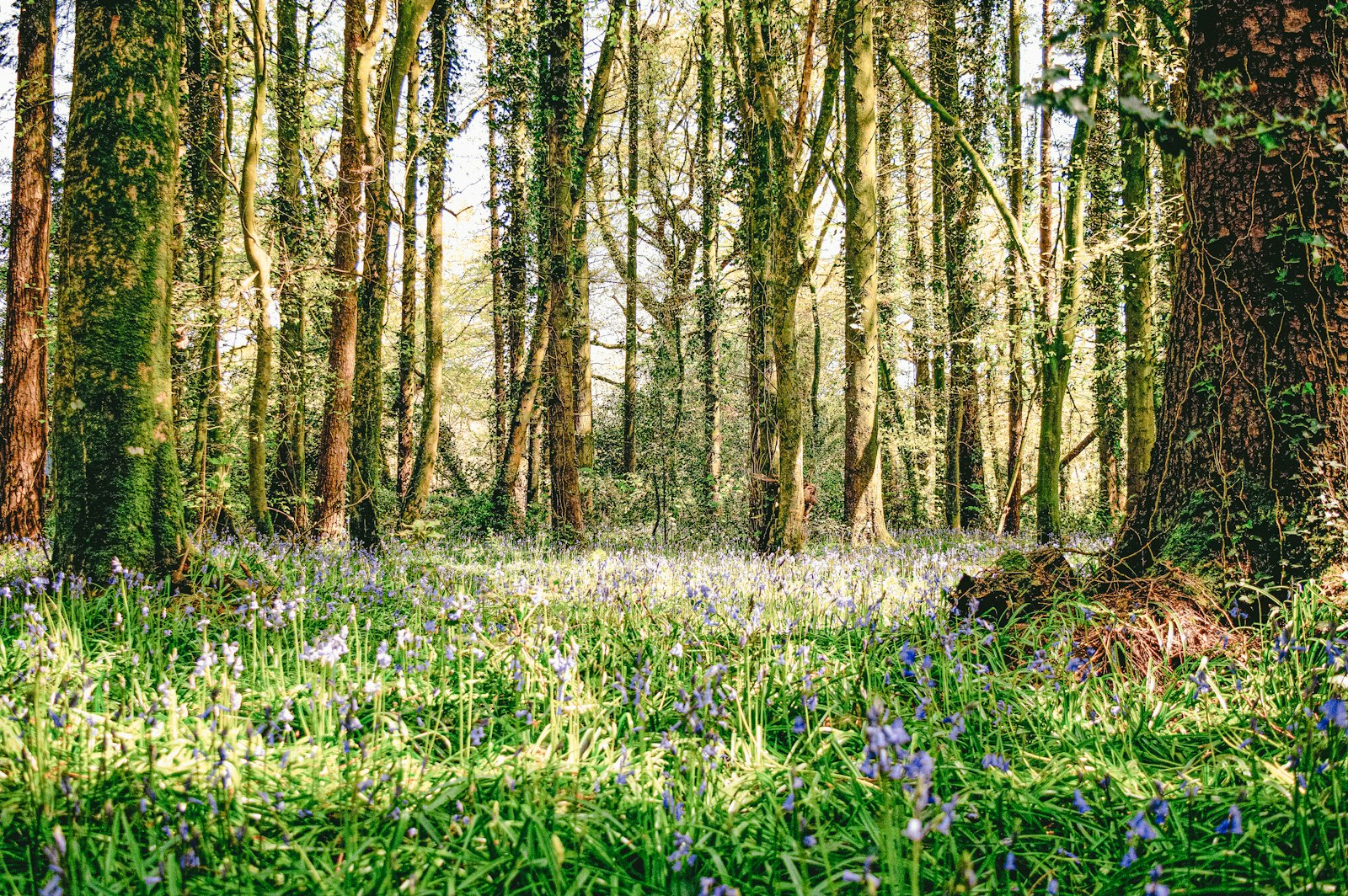
For about two weeks each spring, the floor of a quiet Belgian forest outside Halle disappears beneath a haze of violet-blue. The wild bluebells arrive all at once, spilling between the tall grey beech trunks in every direction, and for those few days the woods look less like a place and more like a spell someone forgot to lift. It has earned Hallerbos its nickname, the Blue Forest, and a devoted following who track the bloom week by week.
The effect is genuinely uncanny. The blue runs unbroken to the horizon in every direction, glowing softly in the low light, and the fresh green of the new beech leaves overhead only deepens it. It is one of those rare sights that photographs beautifully and still, somehow, looks better in person.
Most visitors come at midday. Come at dawn instead. The low light turns the mist gold, the crowds haven't arrived, and the blue glows like it's lit from underneath. Skip the main car park and enter from the eastern trail; it's a longer walk, but you'll have the best groves almost to yourself. Time it for late April, and check the forest's bloom updates before you go, because the window is short and the whole spell lasts only a fortnight.
And now the ones most travel guides never mention, the reason this atlas exists.
5. Wistman's Wood, Dartmoor, England
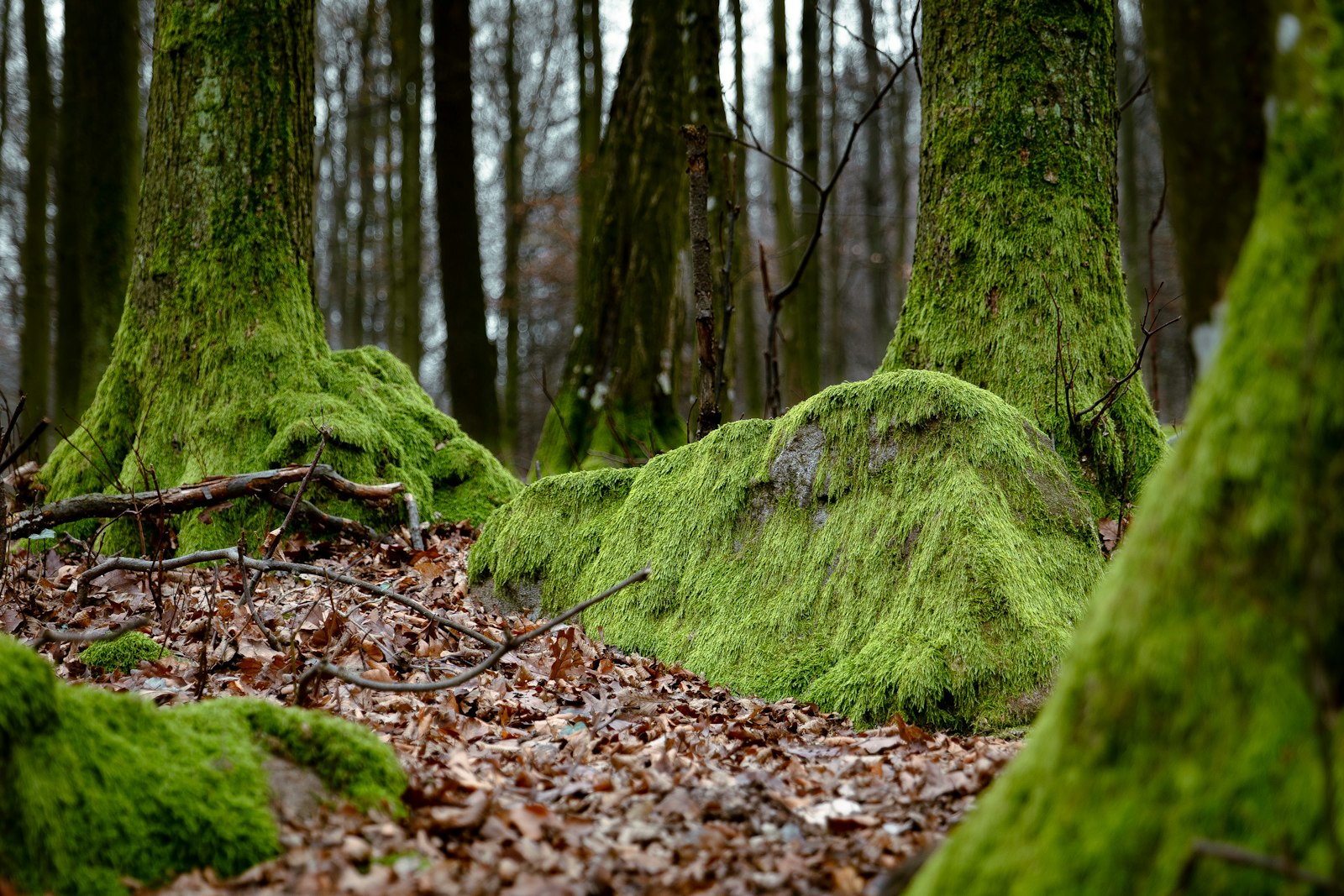
High on the bare moor of Dartmoor, where you'd expect nothing but wind and heather, a tiny wood of ancient, stunted oaks clings on among a jumble of granite boulders. Wistman's Wood is one of the strangest and most bewitching forests in Britain: dwarf oaks barely taller than a person, their gnarled limbs bearded with moss and ferns, twisting over a chaos of lichen-green rocks. Every surface drips with growth, and the whole place feels impossibly old.
Local folklore has always treated it as a place apart, a haunt of druids, spectral hounds, and older things, and standing inside it on a grey day you understand why. It is small, weird, and dense with atmosphere, the kind of wood that seems to hold its breath.
It sits a short walk up the valley from the road near Two Bridges, and it rewards a moody day rather than a bright one; mist and drizzle only heighten the spell. Tread gently, because it's a fragile and protected ancient wood, and let yourself just stand among the twisted oaks and listen.
6. Fanal Forest, Madeira, Portugal
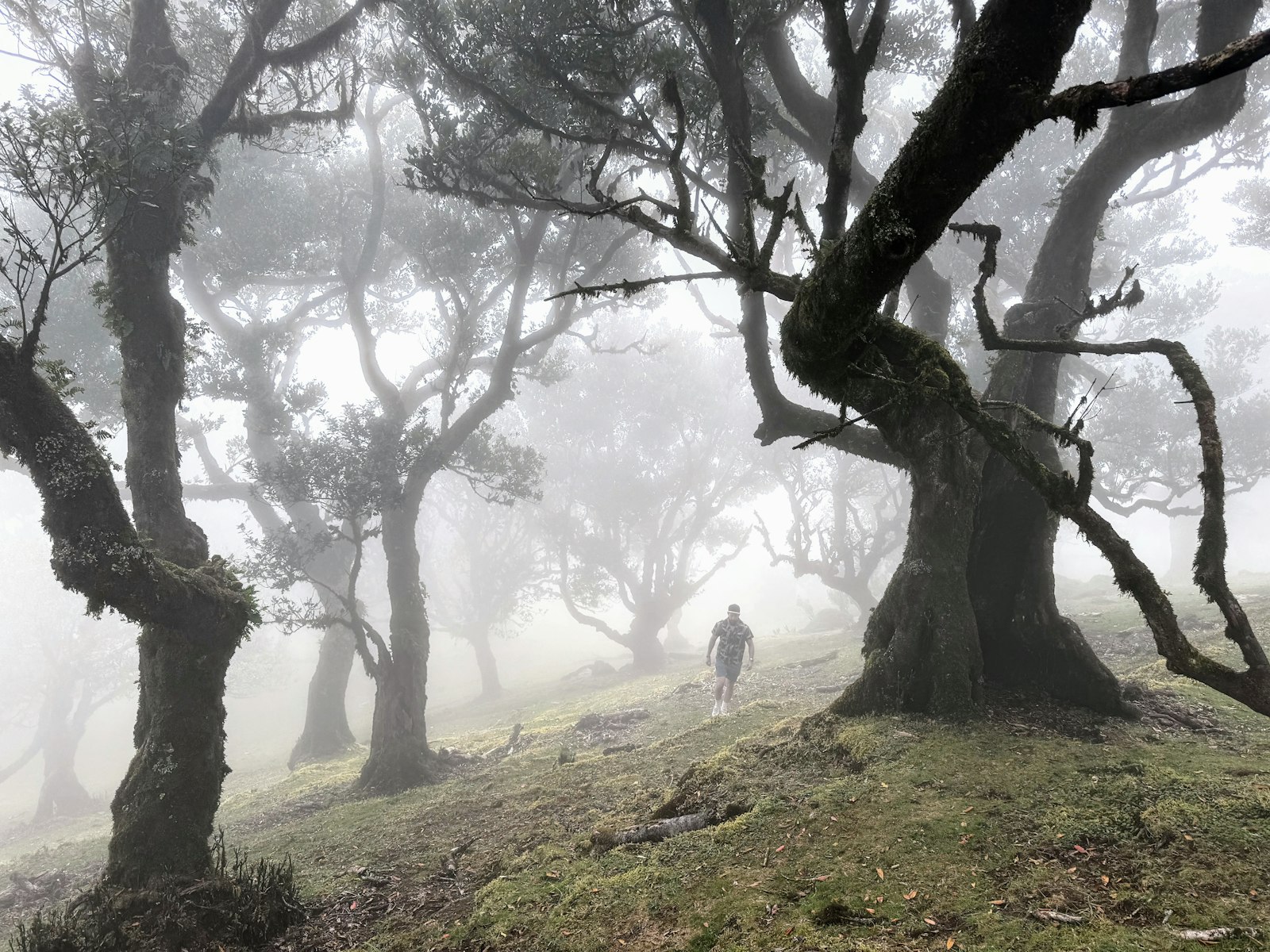
On a high plateau on the island of Madeira, wrapped almost permanently in cloud, stands a grove of ancient laurel trees that looks like the set of a dream. The Fanal forest is part of the island's laurisilva, a prehistoric type of laurel woodland that has survived here since before the last ice age, and its trees are extraordinary: squat, sprawling, centuries old, their moss-covered limbs reaching out in every direction like something from a myth.
When the fog rolls in, and it very often does, the trees fade to grey silhouettes floating in the mist, cattle grazing quietly beneath them, and the whole hillside turns hushed and unreal. It is one of the most atmospheric forests you can walk into anywhere, and still surprisingly little known beyond photographers who chase its weather.
The mist is the magic here, so paradoxically you want a cloudy day. Go early or stay for the shifting light of late afternoon, drive up carefully on the island's winding roads, and give the weather time to change, because on Madeira it always does.
7. Otzarreta Forest, Basque Country, Spain
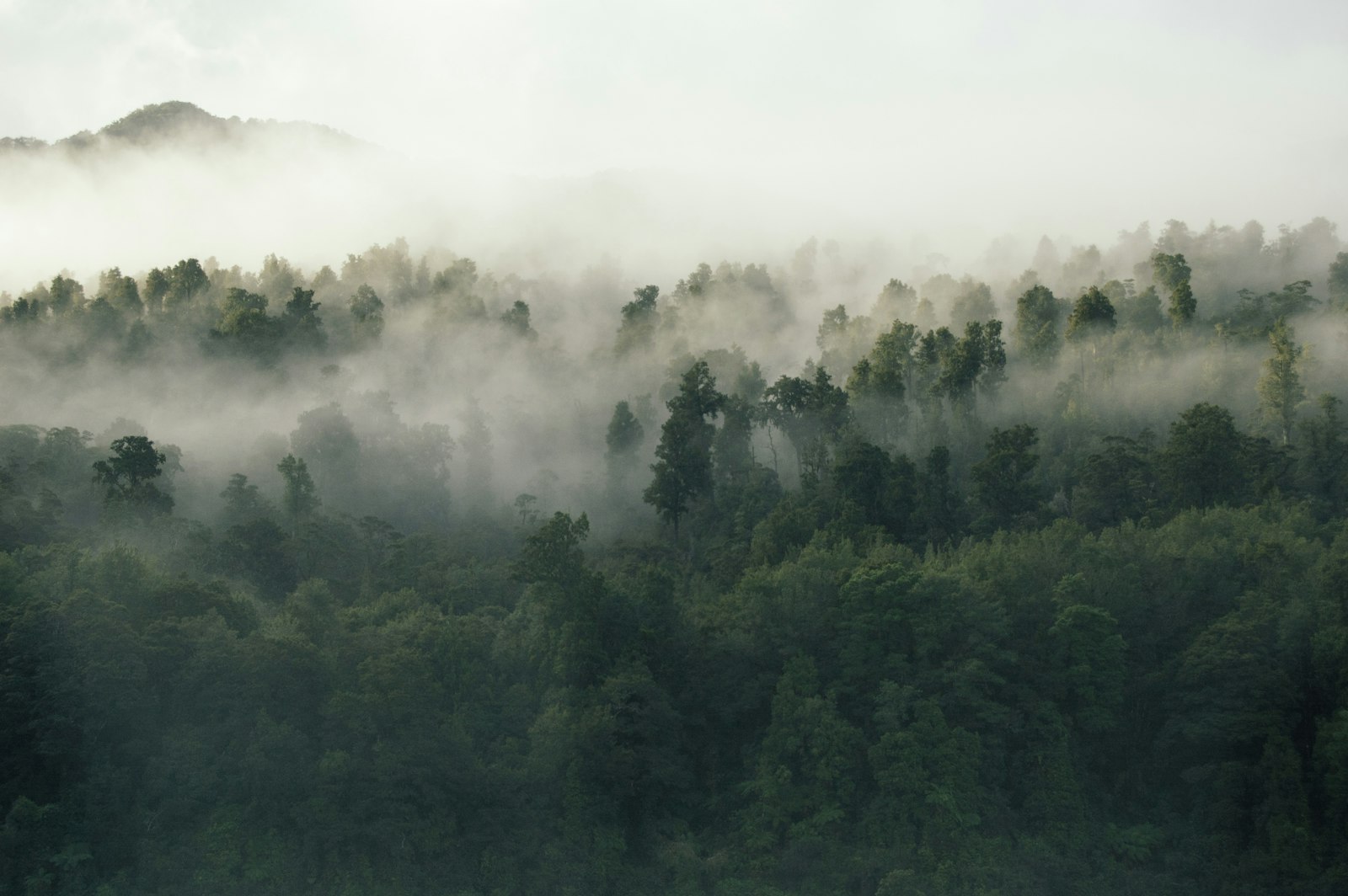
Tucked inside the Gorbea natural park in the green heart of the Basque Country, Otzarreta is a small beech wood that looks deliberately designed by someone with a taste for enchantment. Its trees were once pollarded for charcoal and timber, which left them with a peculiar, beautiful habit: slender trunks that fork low and sweep upward in graceful curves, all reaching for the light at once, their bases cushioned in the deepest moss.
Come autumn, the beech leaves turn gold and copper and the forest floor glows orange beneath the curving grey trunks. Add the region's frequent morning fog and you get scenes that look painted, shafts of soft light falling between the trees onto a carpet of fallen leaves and moss-wrapped stone.
It stays quiet because it's off the usual tourist trail, deep in rural Basque country. Come at dawn on an autumn morning for the fog and the colour together, wear boots for the damp ground, and pair it with the wider Gorbea park if you want waterfalls and moorland to go with your enchanted wood.
8. Yakushima, Japan
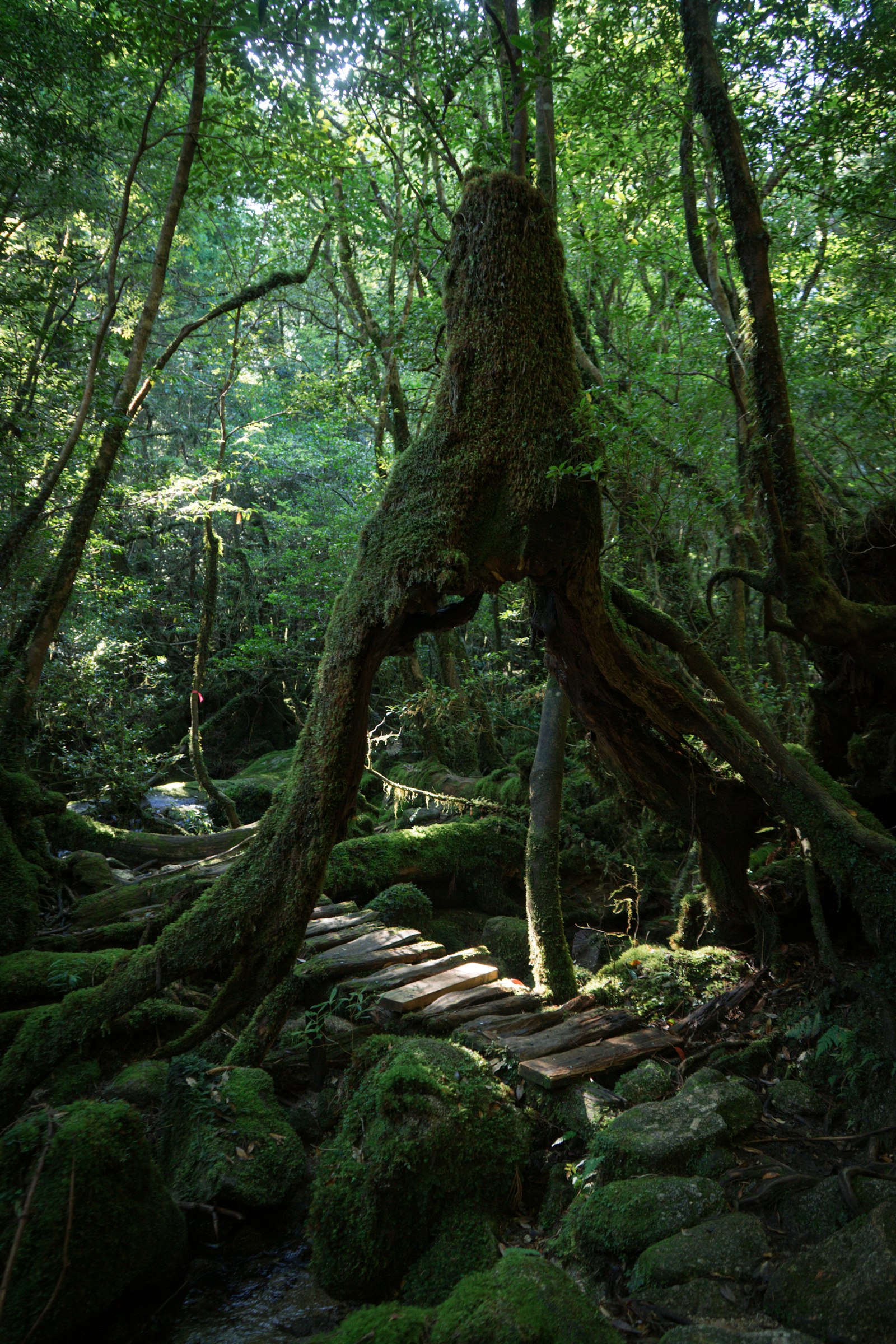
Off the southern coast of Japan lies an island so wet and so green it feels like walking into the beginning of the world. Yakushima is covered in ancient cedar forest, some of the trees thousands of years old, and everything, the roots, the rocks, the fallen trunks, the very air, is wrapped in a soft, glowing skin of moss. Water is everywhere, in streams and mist and the constant patient rain that keeps the whole island luminous green.
It is widely said to have helped inspire the haunted forest in the film Princess Mononoke, and the resemblance is uncanny: deep mossy hollows, twisted roots over clear streams, light falling green through the canopy. Wander the Shiratani Unsuikyo ravine and you feel you've stepped inside an animated dream.
This is a forest that asks for effort and gives back tenfold. Come prepared for rain, because Yakushima is one of the wettest places in Japan and the rain is the whole point, and walk the mossy ravine trails slowly. The wetter and mistier the day, the more the forest glows.
9. Białowieża Forest, Poland
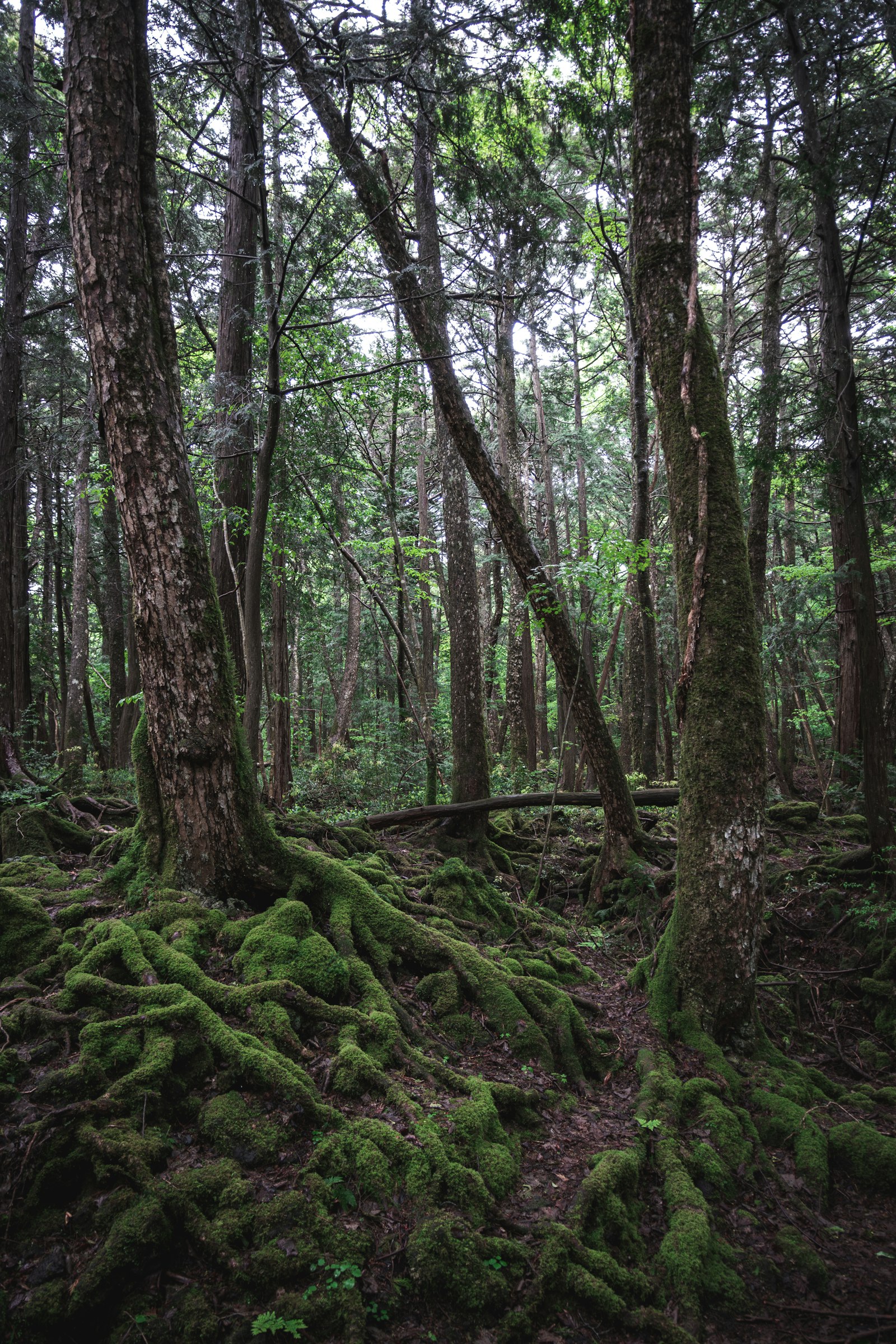
On the border of Poland and Belarus survives a fragment of something almost gone from Europe: a true primeval forest, the kind that once blanketed the whole continent before the axe. Białowieża has stood, in part, untouched for millennia, a tangle of towering old oaks and hornbeams and spruces, fallen giants left to rot where they lie, and a floor deep in fungi and moss and slow decay. It feels less like a managed wood and more like a living museum of what a forest is supposed to be.
It is also the last home of the European bison, Europe's largest land animal, brought back from the edge of extinction and roaming free among the trees. To walk the strictly protected core with a guide is to see a forest doing exactly what it did ten thousand years ago, wild, chaotic, and complete.
The oldest heart of the forest can only be entered with a licensed guide, which is part of what has kept it intact, so book one. Go in the cooler seasons for the best chance of wildlife and the moodiest light, and let the sheer age of the place sink in.
10. Hoh Rain Forest, Washington, USA
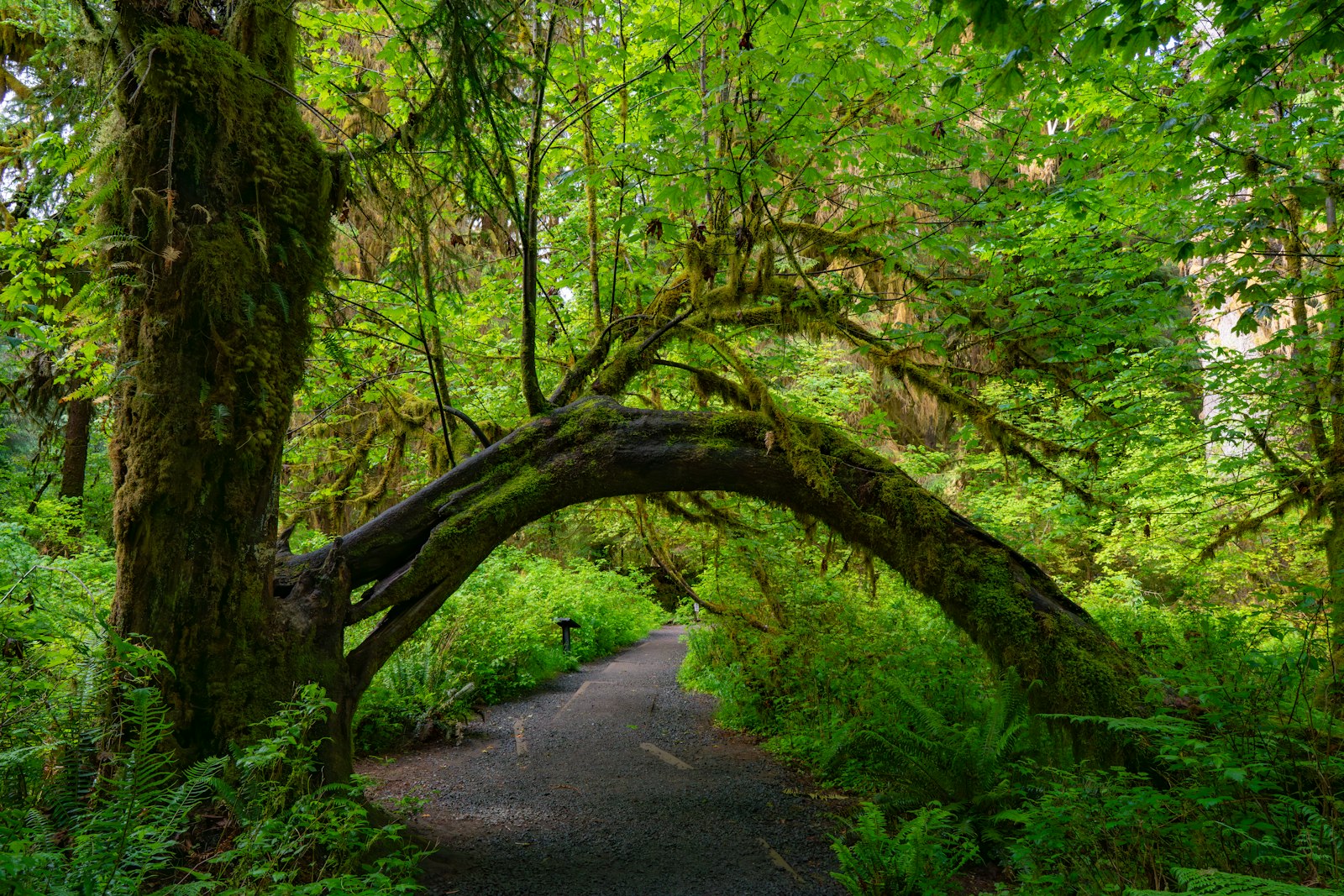
In the far corner of Washington State, on the wet flank of the Olympic Peninsula, sits one of the finest temperate rainforests in the world, and one of the greenest places you will ever stand. The Hoh Rain Forest catches well over a dozen feet of rain a year, and it shows: the maples and firs are furred head to foot in moss, long curtains of it hanging from every branch, and the famous Hall of Mosses trail leads through an archway of trees so heavily draped they look like something from a storybook understood only by ferns.
Everything here is layered and soft and impossibly lush, ferns over logs over moss over more moss, all of it in a dozen shades of green. It is also, in places, one of the quietest spots in the country, a forest so still you notice the silence.
Rain is a feature, not a setback; the wettest days are the most magical, and the crowds thin. Walk the short Hall of Mosses and Spruce Nature trails slowly, look up to catch the light through the hanging moss, and give yourself the reward of standing somewhere genuinely quiet.
11. Cocora Valley, Colombia
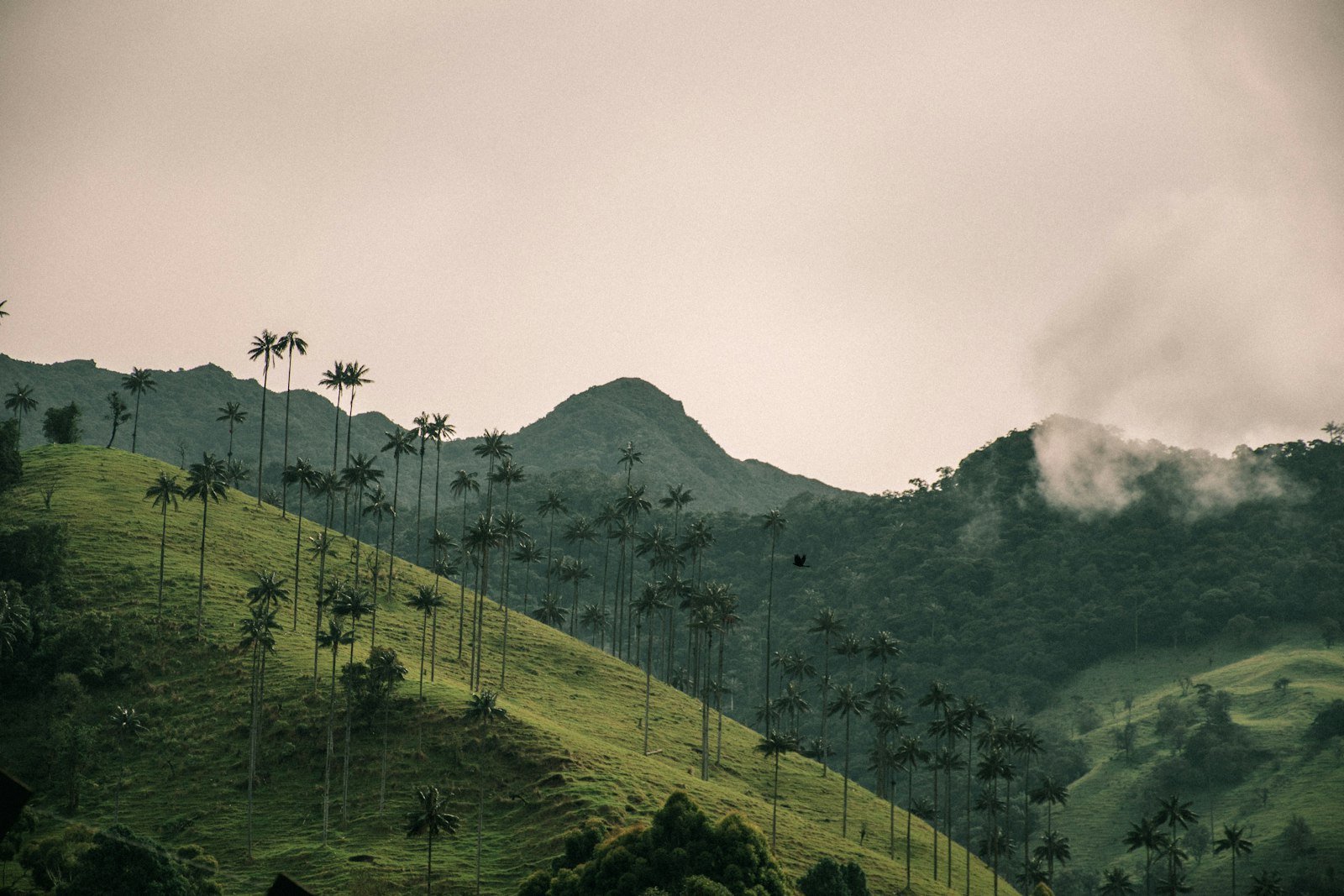
This one bends the idea of a forest into something dreamlike. In the Cocora valley, high in Colombia's coffee country, the tallest palms on earth rise out of rolling green Andean hills, slender trunks shooting sixty metres and more into the mist before bursting into a small crown of fronds at the very top. Scattered across the emerald slopes, wreathed in low cloud, they look like the invention of an illustrator who didn't quite believe in gravity.
The wax palm is Colombia's national tree, and seeing them massed across the valley, impossibly tall and thin against the shifting hillside fog, is one of South America's great surreal sights. Horses graze beneath them, cloud drifts through, and the scale never stops feeling slightly impossible.
Come early, before the afternoon cloud thickens into rain, and walk or ride up through the valley from the pretty town of Salento. Time your trip for a morning when mist still hangs in the hills, and let the strangeness of a forest of skyscraping palms do its work.
12. Avenue of the Baobabs, Madagascar
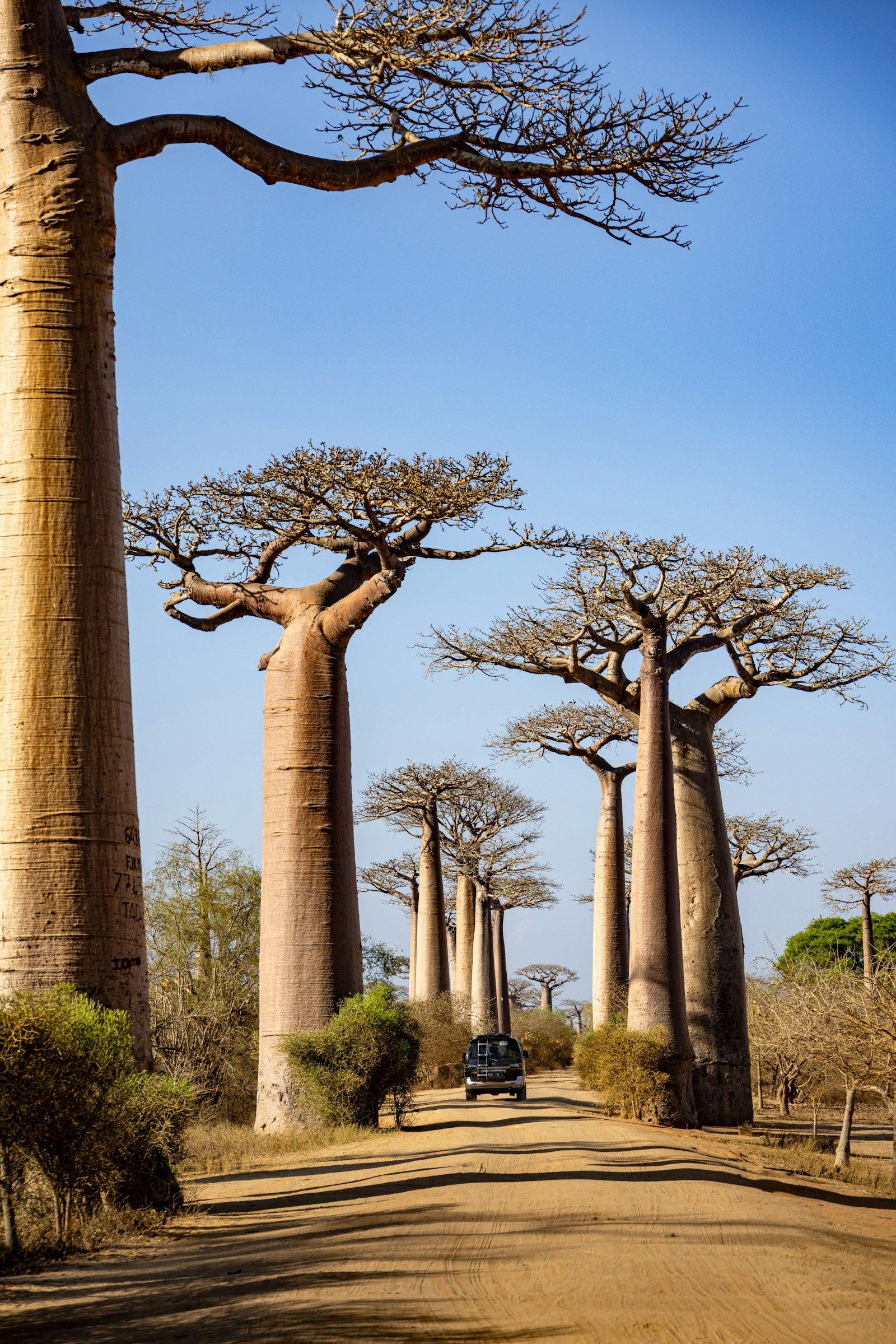
To end, the most otherworldly grove of all. Along a dirt road in western Madagascar stands a row of giant baobabs, some of them centuries old, their vast smooth trunks rising branchless into the sky before splitting suddenly into a tangle of roots-in-the-air at the very top. They are so strange and so grand that local legend says the gods planted them upside down, and standing beneath them at sunset, you half believe it.
These are the survivors of a much larger forest that once surrounded them, now presiding over the open land like ancient sentinels. As the sun drops, their trunks turn copper and their crowns black against a burning sky, and the whole avenue glows. It is less a forest to walk through than a cathedral to stand still inside.
Come for sunrise or sunset, when the light sets the trunks aflame and the heat eases, and stay for the moment the sky goes gold. It's a long journey to reach, deep in Madagascar's west, but this is exactly the sort of place that rewards travellers who go the extra distance for something the guidebooks only gesture at.
Where to start
If you can only chase one, let it be the one that surprises you: Cocora Valley for its skyscraping palms in the cloud, Fanal for its ghostly laurels in the mist, or Yakushima for the greenest, most storybook forest you'll ever walk into. And if you want the icons, catch Hallerbos at dawn during its brief blue fortnight, or lose a foggy morning among the Redwoods, standing very small beneath the tallest trees on earth.
The enchanted feeling of these forests isn't only in the moss and the mist and the great old trunks. It's in the moment the fog lifts, or the light drops through the canopy just so, and an ordinary wood turns, for a breath, into somewhere out of a story.
Keep wandering through the Enchanted Forests & Natural Wonders collection for more, or tell us the enchanted forest we missed. That's the fun of an atlas. It's never quite finished.
Keep exploring
The Most Enchanting Castles in Belgium
Belgium hides a startling number of storybook castles, from a six-towered fairytale keep near Dinant to a moated brick fortress on the edge of Brussels.
The Most Enchanting Cafés & Beer Bars in Belgium
Belgium's real magic hides in its brown cafés and old beer bars, from a Bruges pub open since 1515 to a Brussels den where the surrealists once drank.
The Most Whimsical Cities in Belgium
A storybook shortlist for a trip through Belgium, from the canals of Bruges to a town squeezed between a cliff and a river, and the tiny place that calls itself the smallest city in the world.