The Most Whimsical Cities in Belgium
Photo: Thomas Konings / UnsplashBelgium is one of the most quietly magical countries in Europe, and one of the easiest to fall in love with. For such a small place, it hides an astonishing concentration of storybook cities: canals and stepped-gable houses, soaring belfries, guild halls dripping with gold, cobbled squares built for lingering. Better still, they sit so close together that you can wander through half a dozen of them on a single unhurried trip.
If you're planning a journey through Belgium, this is the whimsical shortlist. You'll know the first two, and you absolutely should go. But the real joy is what comes after them, the lesser-known cities most visitors rush straight past on their way to Bruges. Here are the most enchanting cities in Belgium, and what makes each one worth your time.
Bruges
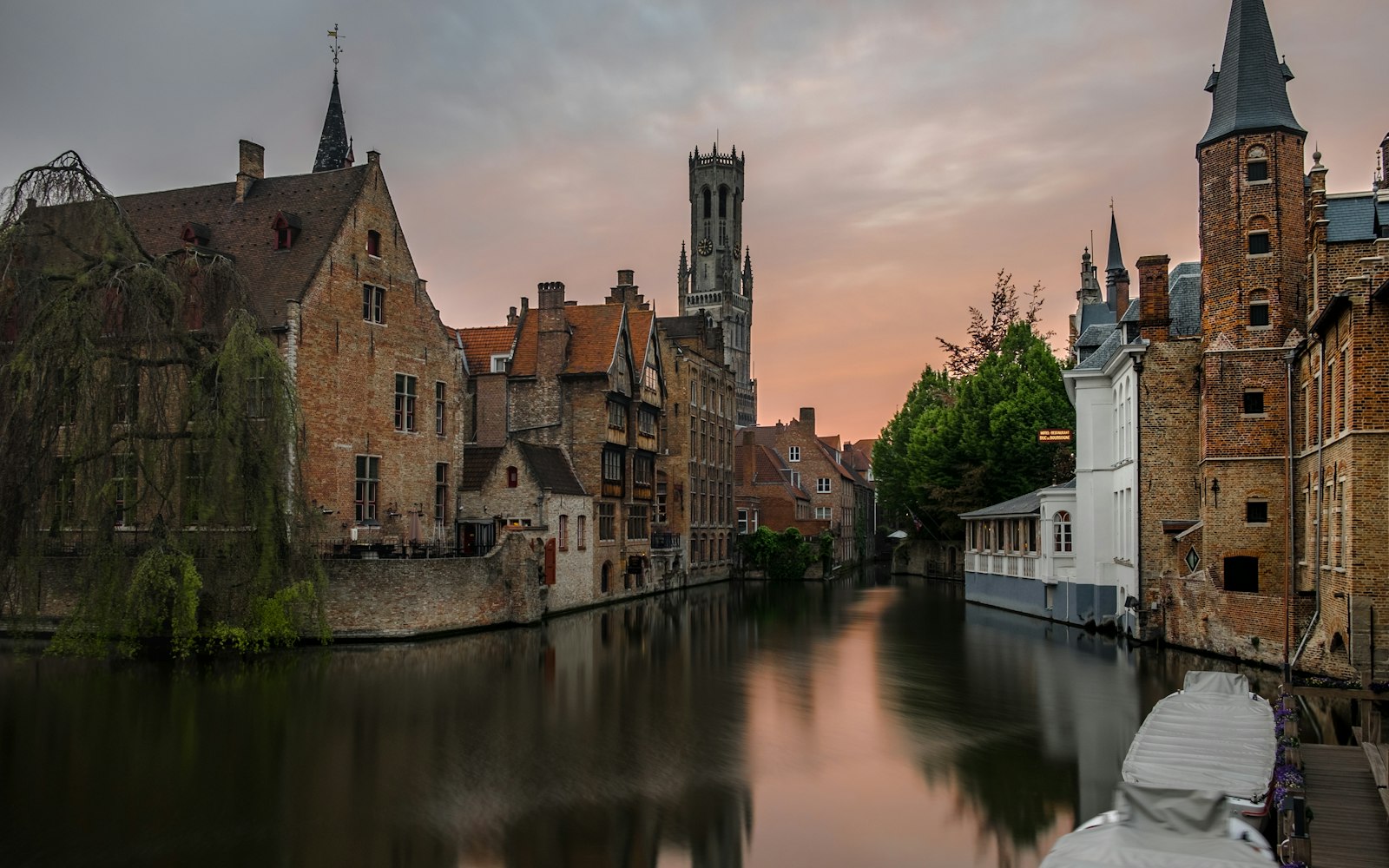
The one everyone pictures, and with good reason. Bruges is a near-perfectly preserved medieval town threaded with quiet canals and little humpbacked bridges, its stepped-gable houses leaning over the water beneath a great belfry that presides over the market square. Horse-drawn carriages clip over the cobbles, swans drift on the Minnewater, the Lake of Love, and the smell of chocolate and waffles drifts out of every other doorway.
It is unashamedly pretty, which means it draws the crowds, so the trick is to outlast them. Stay overnight, and once the day-trippers leave the canals and squares turn hushed and golden. Climb the belfry for the rooftop view, then wander the quieter northern canals, where you can often have a bridge and its reflection entirely to yourself.
Ghent
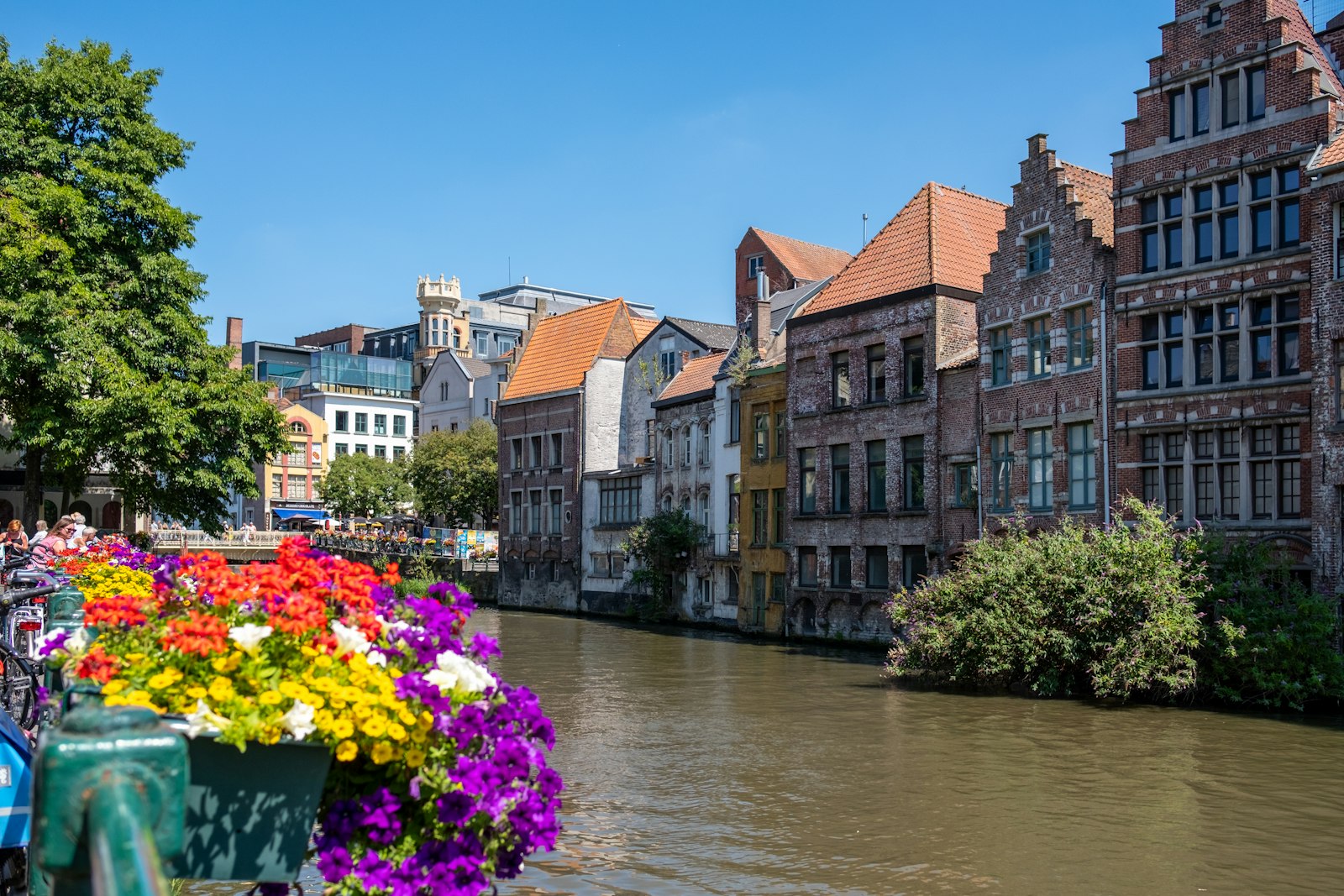
Bruges gets the crowds; Ghent gets the soul. Just down the road, this old Flemish city has all the medieval drama, stepped gables, waterfront guild houses, soaring towers, a proper moated stone castle in the middle of town, but a fraction of the tourists and a real, lived-in energy thanks to its big student population. The result is a storybook city that still feels like a working, breathing place.
The heart of it is the Graslei, a row of gorgeously ornate guild houses lining a medieval harbour, best seen from the water or the bridge at dusk when they light up and reflect in the canal. Nearby, the Gravensteen castle rises complete with turrets and battlements, and St Bavo's Cathedral holds one of the most famous paintings in the world, the Van Eyck brothers' luminous altarpiece. Come for the atmosphere Bruges can't quite offer any more: the sense of a beautiful old city that hasn't been turned into a museum of itself.
And now the ones most visitors never make time for, the reason this atlas exists.
Antwerp
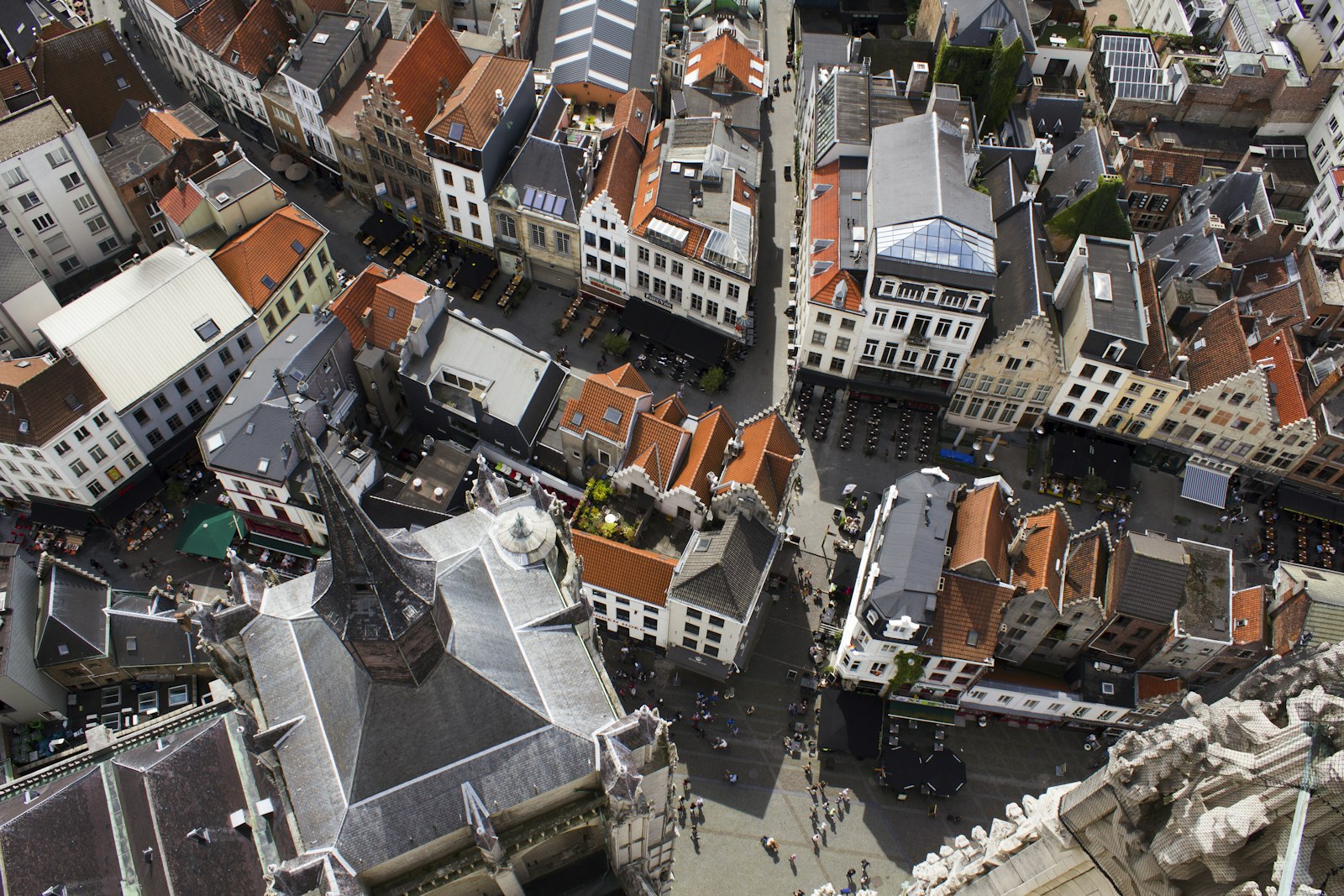
Belgium's second city wears its grandeur beautifully. Antwerp's Grote Markt is ringed with tall, gold-tipped guild houses gathered around a baroque fountain, overlooked by the lacy spire of the Cathedral of Our Lady, which holds several masterpieces by Rubens, the city's most famous son. It is a city of diamonds, fashion, and old maritime wealth, and it carries all of it with style.
Do not miss the railway station. Antwerpen-Centraal is so lavish, all marble, gilt, and a great glass dome, that it is often called one of the most beautiful stations in the world, a cathedral built for trains. Between the old squares and the buzzing fashion and cafe scene, Antwerp is the most cosmopolitan stop on this list, whimsy with an edge.
Leuven
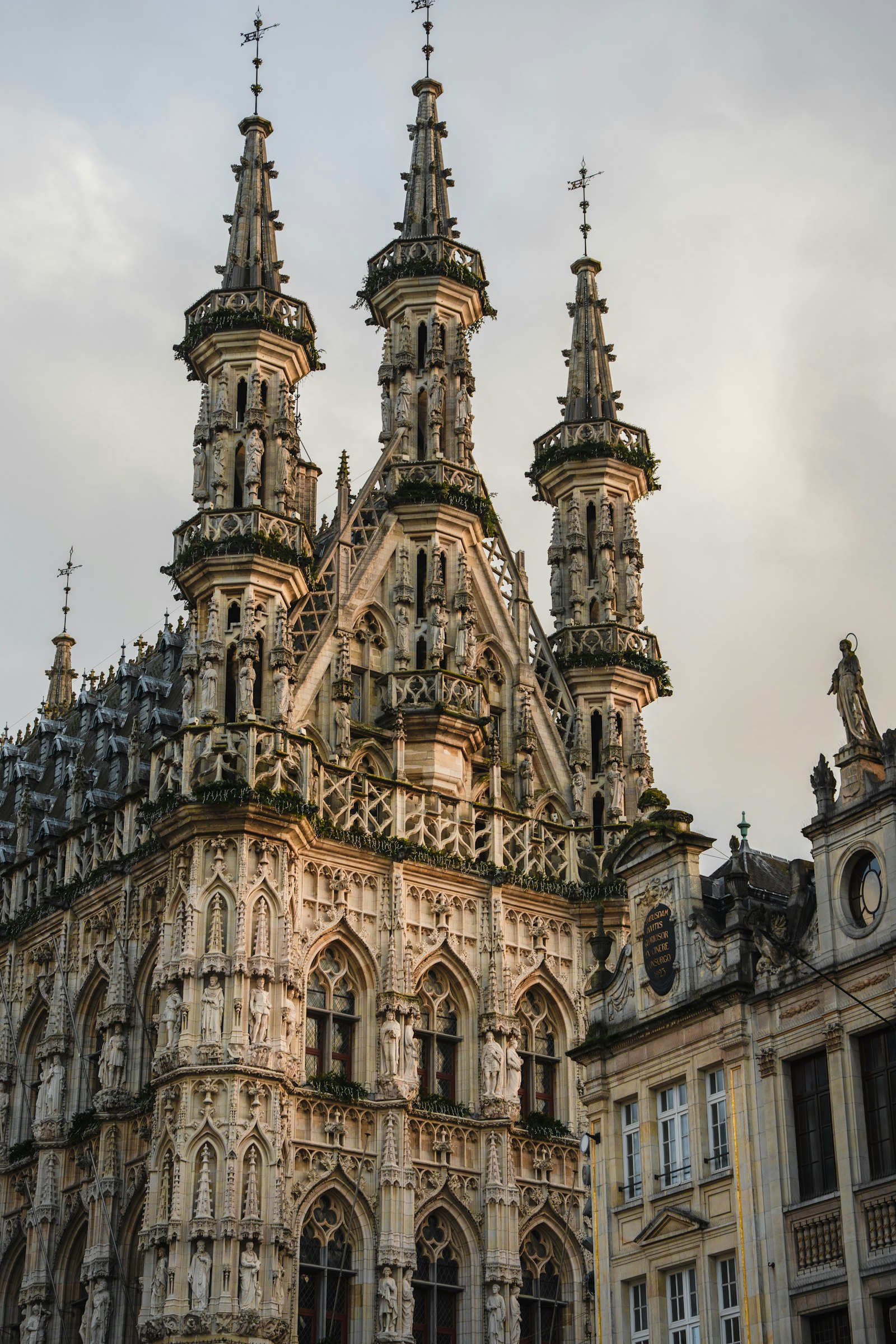
Leuven is a jewel box of a university city, and home to what may be the most extravagant town hall in Belgium: a flamboyant Gothic confection so densely covered in statues and pinnacles that it looks carved from lace rather than stone. Around it spreads a compact, walkable old centre that has been shaped for six centuries by one of Europe's oldest universities.
That student population gives Leuven a youthful, cheerful energy, nowhere more so than the Oude Markt, a single square lined end to end with bars and cafes and known fondly as the longest bar in Europe. Slip away to the old béguinage, a tranquil enclosed quarter of little brick houses and cobbled lanes by the water, and you have the whole range of the city in an afternoon: exuberant and serene, all within a few streets.
Mechelen
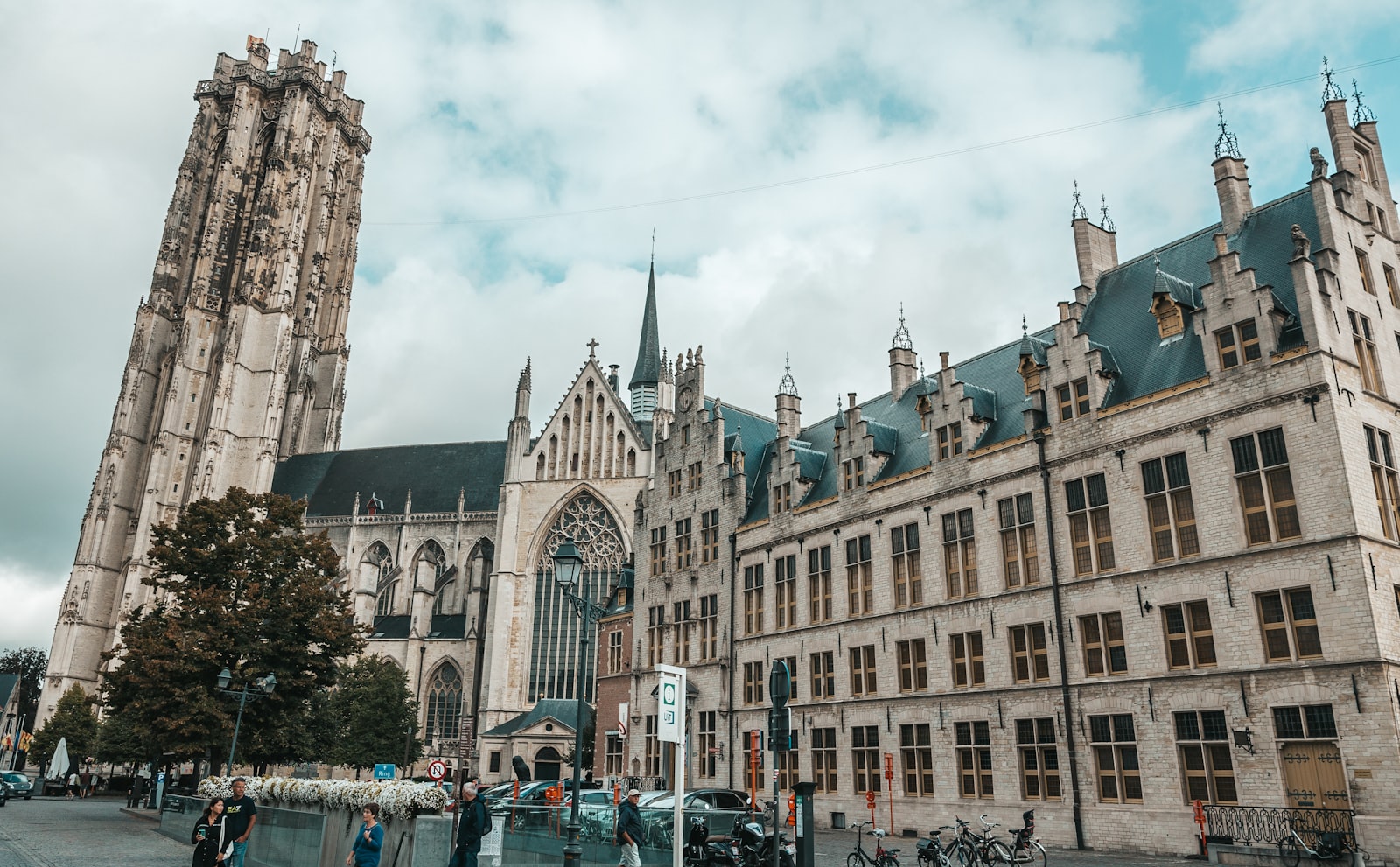
Sitting quietly between Brussels and Antwerp, Mechelen is the kind of city travellers keep discovering and wondering why they hadn't heard of it. It was once the capital of the Burgundian Netherlands, and it still carries that stately, golden-age charm in its squares, its old palaces, and above all its enormous cathedral tower.
St Rumbold's Tower dominates the skyline, and you can climb it for a sweeping view over the rooftops, with a glass skywalk near the top for the brave. Down below, the streets are relaxed and genuinely local, full of good cafes and small squares, with almost none of the crush of its famous neighbours. Mechelen is the easy, uncrowded pleasure of this list.
Lier
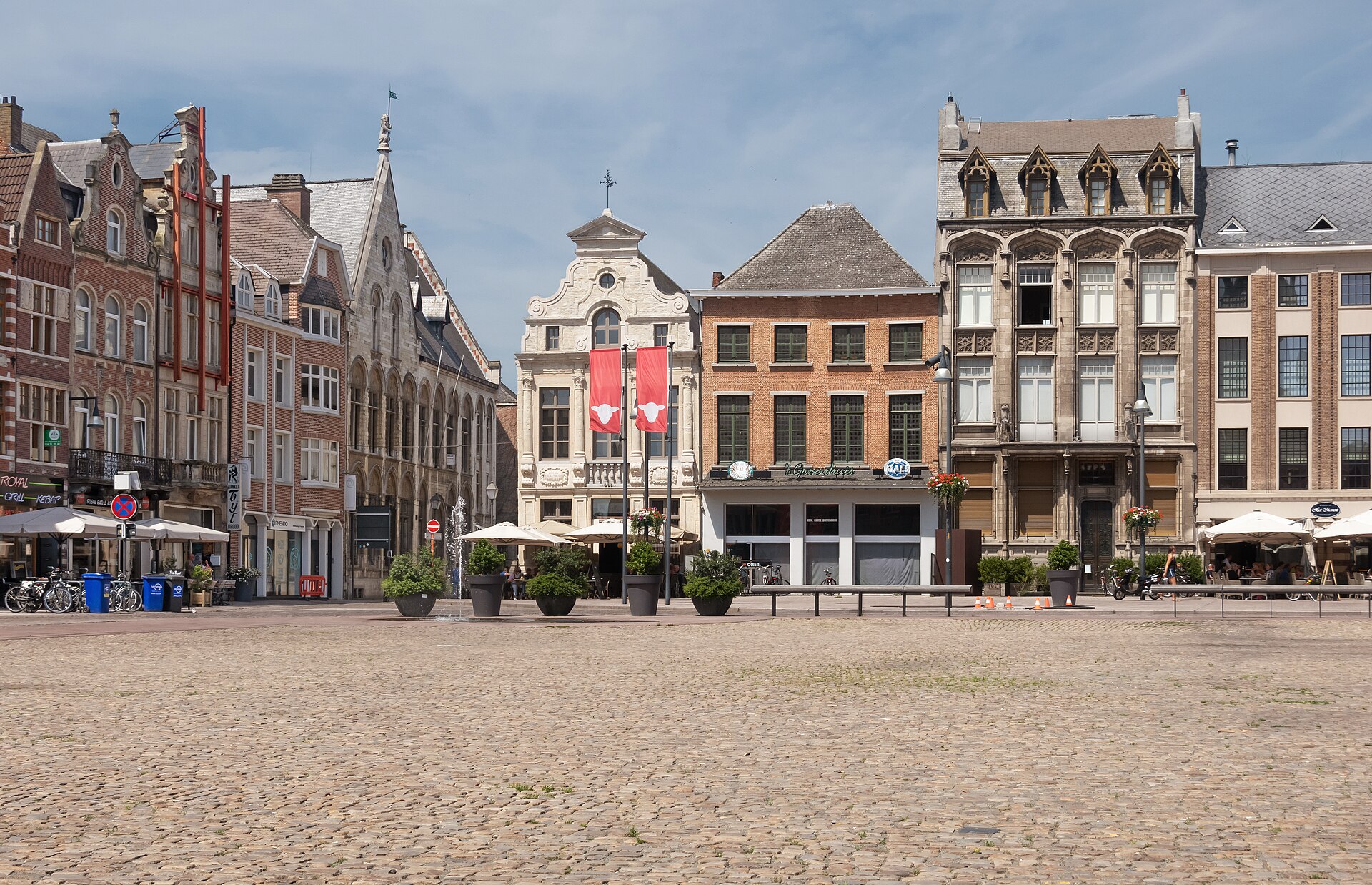
If you want the storybook feeling without another soul in sight, make time for Lier. This small Flemish town, an easy hop from Antwerp, is a pocket-sized delight of gentle canals, a pretty main square, and one of the loveliest béguinages in the country, a UNESCO-listed maze of whitewashed cottages and tiny chapels that feels utterly out of time.
Its quirky treasure is the Zimmer Tower, an old town gate fitted with an astonishing astronomical clock that tracks the moon, the tides, the zodiac, and more across a dozen dials. Lier rewards travellers who like their fairy tales quiet, and it makes a perfect half-day escape from the bigger cities nearby.
Dinant
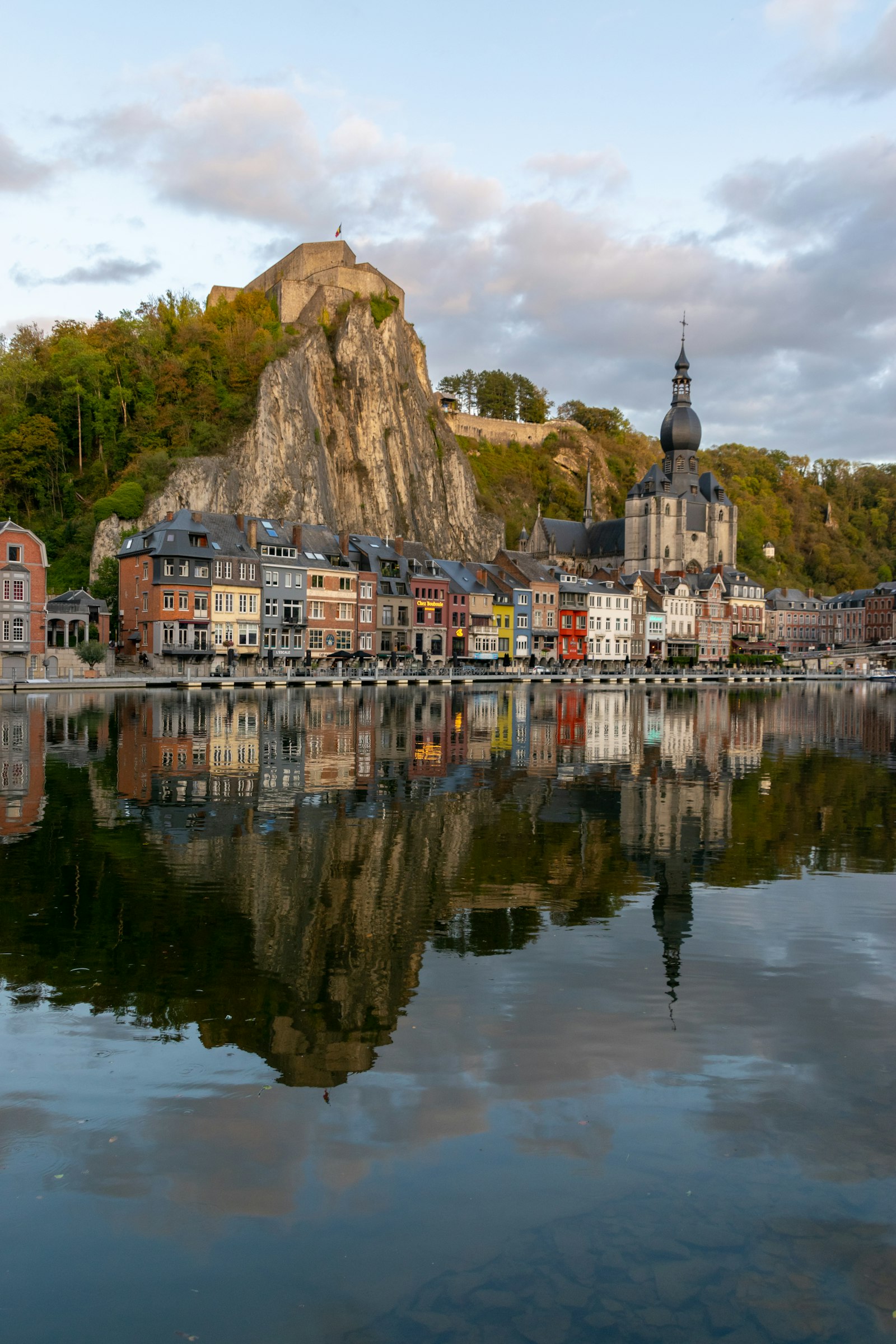
Now for the most dramatic setting in Belgium. Down in the French-speaking south, Dinant is wedged onto a thin strip of land between the River Meuse and a sheer rock cliff, its houses crowding the waterfront beneath a bulb-domed church and a clifftop citadel reached by cable car or a long flight of steps. Reflected in the river, the whole town looks almost impossibly theatrical.
It is also the birthplace of Adolphe Sax, the inventor of the saxophone, and the town celebrates him everywhere, from a museum to the giant, brightly painted saxophone sculptures dotted along its bridge. Dinant is a change of scenery and language from the Flemish north, and a reminder of how much variety Belgium packs into its small borders.
Durbuy
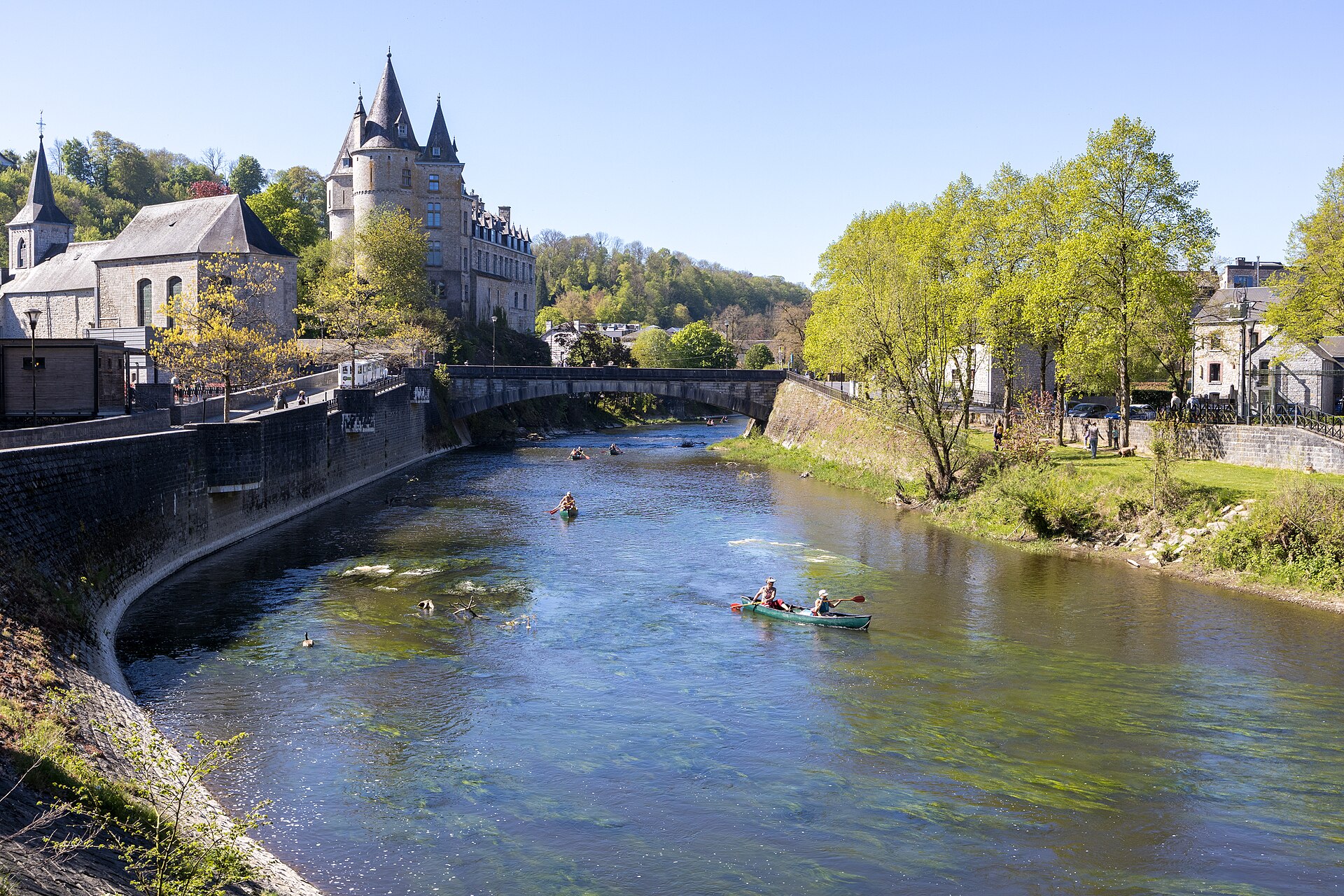
Deep in the green hills of the Ardennes hides a place that bills itself as the smallest city in the world. Durbuy is a tiny huddle of cobbled lanes, stone houses, and a small castle by the River Ourthe, granted city rights back in the Middle Ages and never really growing beyond a village since. Wandering its handful of streets takes minutes, and every one of them is storybook.
It makes a wonderful contrast to Belgium's grand Flemish cities: forested, hilly, and gentle, the kind of place for a slow lunch and an afternoon amble rather than a checklist. Pair it with a drive through the surrounding Ardennes countryside, all rivers, woods, and quiet valleys, for the softest, greenest corner of the country.
Tournai
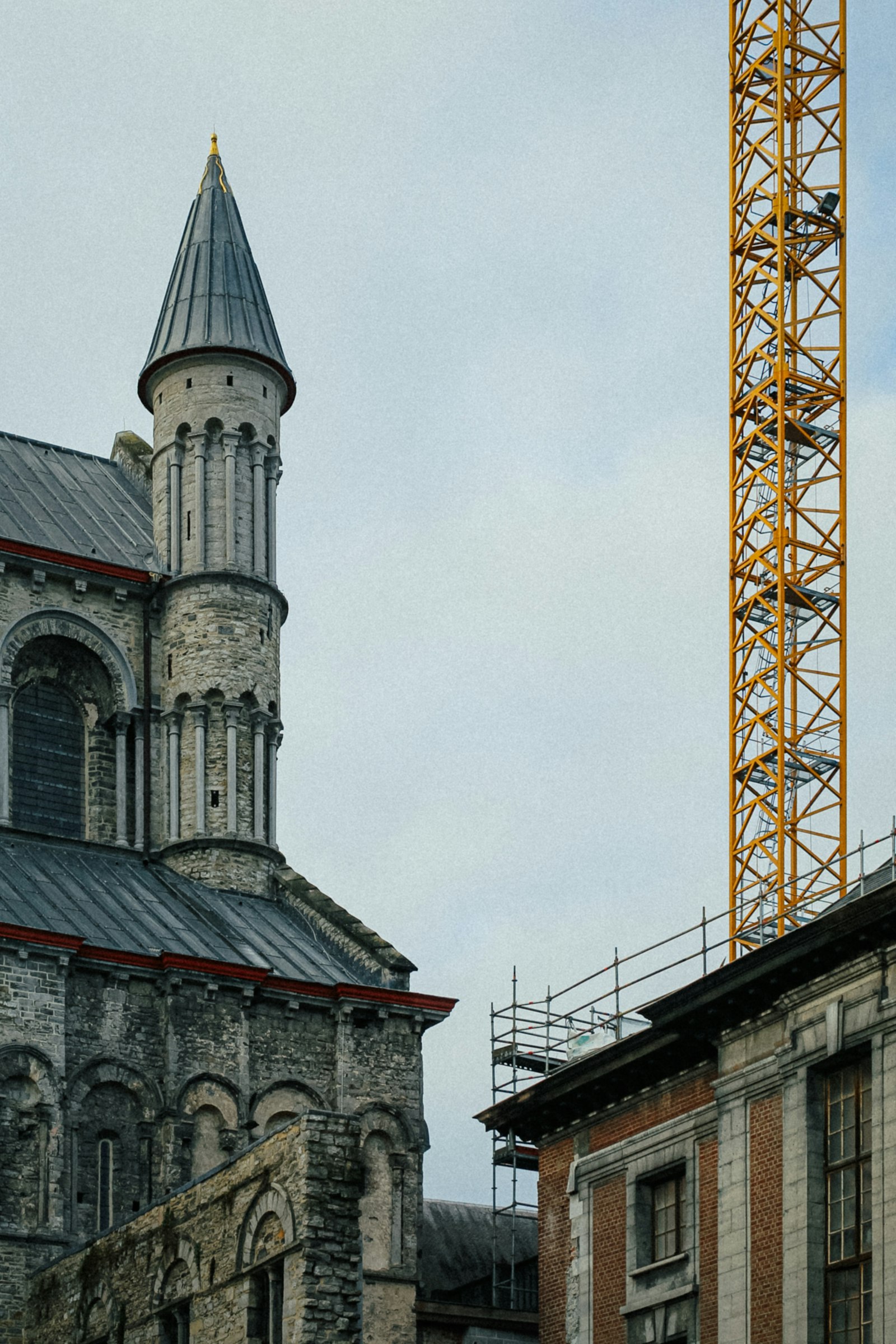
One of the oldest cities in Belgium, and one of the most overlooked, Tournai sits near the French border with a skyline unlike anywhere else in the country. Its great Cathedral of Our Lady bristles with five Romanesque towers clustered together, a silhouette so distinctive it has earned UNESCO protection, and beside it stands the oldest belfry in Belgium, also UNESCO-listed.
Below the towers, the old town gathers around a triangular Grand Place lined with cafes, with the River Scheldt slipping through and stone bridges crossing it. Tournai is history worn lightly, a deeply old city that stays relaxed and largely untouristed, ideal if you like your storybook streets with room to breathe.
Brussels
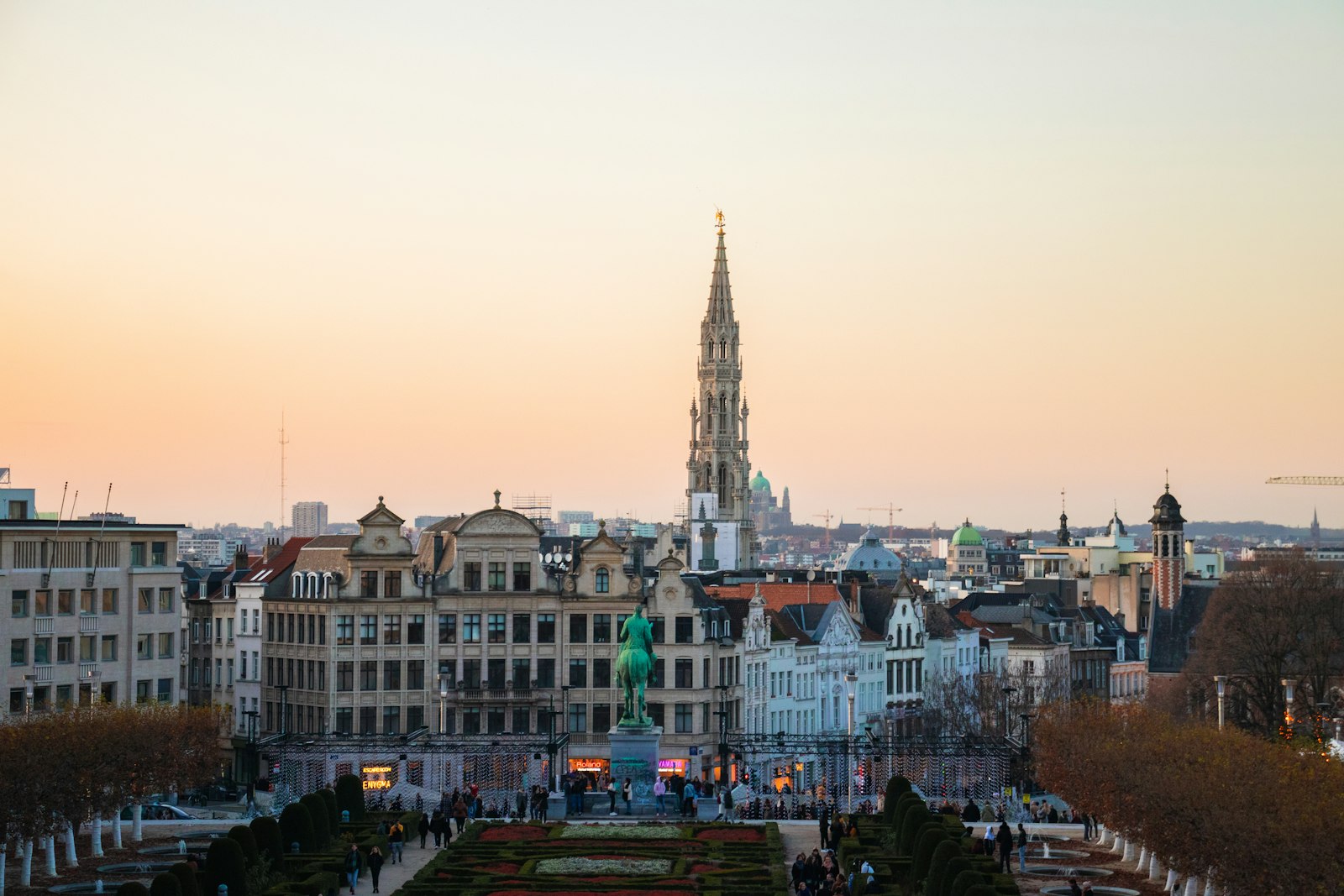
It would be a mistake to skip the capital, if only for one of the most beautiful squares on earth. The Grand Place is a breathtaking ensemble of gilded guild houses, an ornate town hall, and a soaring spire, all crowded around a single cobbled square that glows like a jewellery box when it's lit at night. Every couple of years it is carpeted with almost a million flowers, but it is dazzling on any ordinary evening.
Beyond the square, Brussels rewards wandering with grand glass shopping arcades among the oldest in Europe, elegant Art Nouveau townhouses, comic-strip murals splashed across its walls, and of course the small, cheeky Manneken Pis. It is bigger and busier than the other stops here, but its storybook heart more than earns its place.
Planning your Belgian trip
The best thing about Belgium for a whimsical wander is how compact it is. The distances are tiny and the train network is excellent and cheap, so you can base yourself in one central city, Ghent, Antwerp, or Brussels all work well, and reach most of this list in under an hour, often much less. Bruges, Ghent, Antwerp, Mechelen, Leuven, and Lier are all easy Flemish day trips from one another. Dinant, Durbuy, and Tournai lie further south and pair naturally into a separate leg through the French-speaking countryside.
For the loveliest light and the thinnest crowds, aim for late spring or early autumn. And if you can time it for December, the same squares fill with some of the prettiest Christmas markets in Europe, the belfries and guild houses glowing over stalls of mulled wine and lights.
Wherever you start, keep wandering through the Whimsical Cities collection for more storybook cities around the world, and if you find a magical Belgian corner we missed, tell us. That's the fun of an atlas. It's never quite finished.
Keep exploring
12 Whimsical Cities That Feel Like Stepping Into a Storybook
Twelve cities around the world that trade grids and glass for spires, canals, and painted hillsides, from a Baltic old town frozen in the Middle Ages to a Chilean port that spills up its hills in a riot of colour.
The Most Enchanting Castles in Belgium
Belgium hides a startling number of storybook castles, from a six-towered fairytale keep near Dinant to a moated brick fortress on the edge of Brussels.
The Most Enchanting Cafés & Beer Bars in Belgium
Belgium's real magic hides in its brown cafés and old beer bars, from a Bruges pub open since 1515 to a Brussels den where the surrealists once drank.