Neuschwanstein: The Castle That Felt Like a Childhood Dream
Photo: Massimiliano Morosinotto / UnsplashI had wanted to see Neuschwanstein since I was a little girl. It was the castle in the picture books, the one that looked too perfect to be real, and for years it lived in my head as a place I would probably never actually stand in front of. So when it finally appeared through the trees on a bright autumn day in 2024, pale towers against the green and gold of the Bavarian hills, I got goosebumps. It genuinely felt like a childhood dream quietly coming true, right there in front of me.
This is the most famous fairytale castle in the world, and it earns it. But there is a real place behind the postcard, with a strange and rather sad history, a set of very practical logistics, and at least one mistake I would tell you to avoid. Here is everything I loved about visiting Neuschwanstein, and what I wish I had known before I went.
The first sight
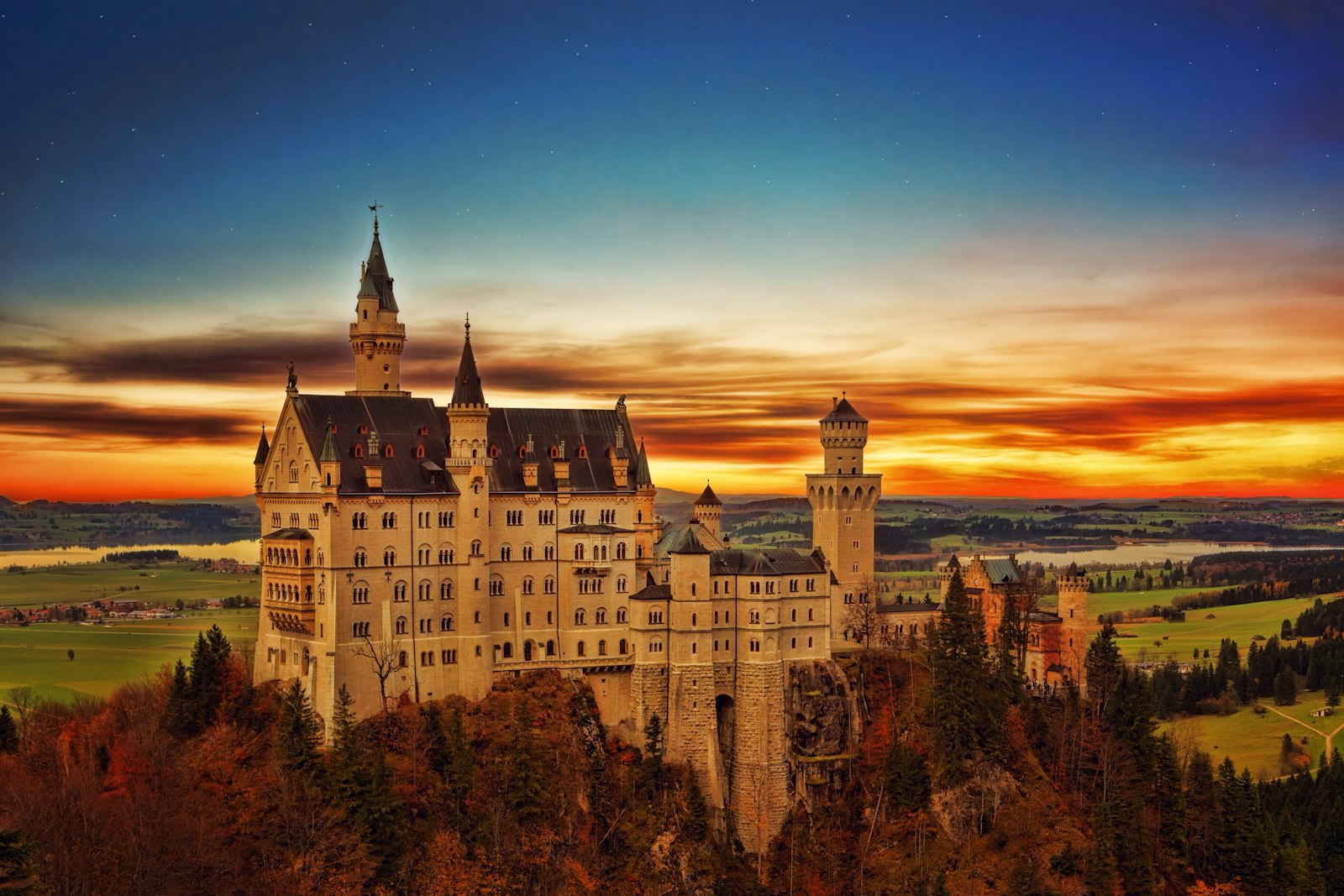
Nothing quite prepares you for the first proper look. The castle sits high on a rugged hill above the village of Hohenschwangau, framed by forest and mountains, with a gorge and a waterfall below it. From certain angles it seems to float. The most famous view is from the Marienbrücke, Mary's Bridge, a slender footbridge strung across the gorge behind the castle, where the towers line up against the peaks in the composition you have seen a thousand times and somehow still gasp at in person.
I understood, standing there, why this one castle has become shorthand for the whole idea of a fairy tale. It is not just pretty. It is theatrical, deliberately so, built to look like a storybook rather than a stronghold. That was always the point.
The king who built a fairy tale
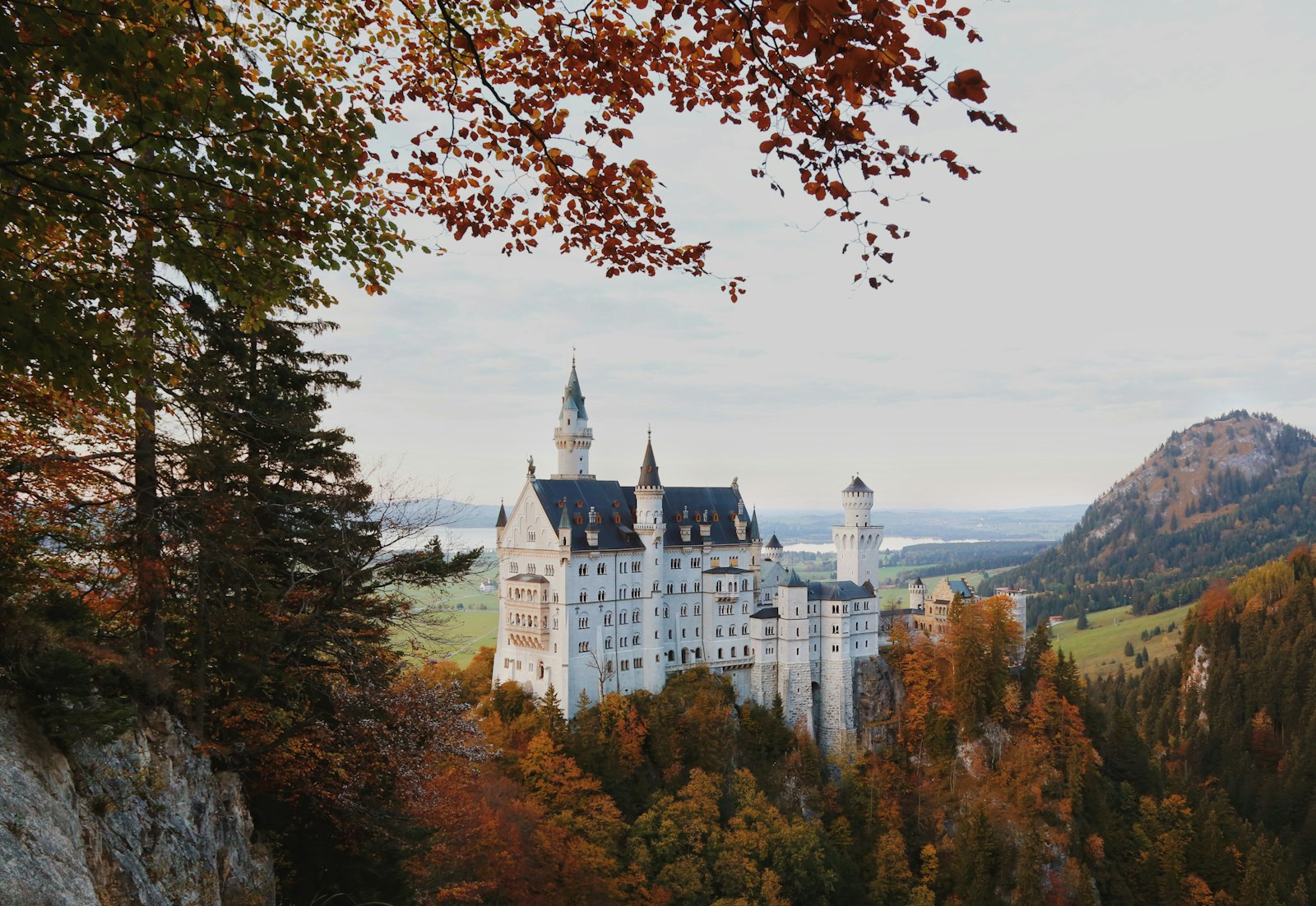
One of the things I loved most was learning the story on the tour, because the history is far stranger and sadder than the fairytale surface suggests. Neuschwanstein was the creation of King Ludwig II of Bavaria, who came to the throne in 1864 as a shy, dreamy eighteen-year-old and never really took to the business of ruling. He much preferred art, music, and the old medieval legends, and he had grown up in the valley right below, at his father's yellow castle of Hohenschwangau, gazing up at the very hills where he would one day build a fantasy of his own.
He began Neuschwanstein in 1869, on the ruins of two crumbling medieval castles, and from the start it was less a building than a stage set made real. Rather than trust it only to architects, Ludwig had the first designs drawn up by a theatrical scene painter, which is exactly why the finished castle looks so much like a backdrop from an opera. It was conceived as a private refuge and as a shrine to the composer Richard Wagner, whom the king idolised and famously rescued from his debts. The whole place is steeped in Wagner's world: swans wherever you look, a nod to the Swan Knight of the opera Lohengrin, and rooms painted with scenes from the legends that filled his music.
For all its medieval fairytale look, the castle was startlingly modern for its day. Behind the turrets and murals it had running water, flushing toilets, hot-air central heating, and even a telephone line, comforts most palaces of the era could only dream of. And yet it was never finished. Only about a dozen rooms were ever completed, the grand throne hall never received its throne, and builders were still at work when everything came to a sudden end.
Here is the melancholy part. Ludwig poured a fortune into his castles, ran up enormous personal debts, and retreated further and further into his own imagination. In 1886 his ministers had him declared insane and unfit to rule, on the word of doctors who never actually examined him, and stripped him of power. Just days later he was found dead in the shallows of Lake Starnberg, alongside the very psychiatrist who had certified him. He was said to be a strong swimmer, the water was barely waist-deep, and to this day nobody really knows what happened. It remains one of the great unsolved mysteries of European royalty.
The cruellest irony is what came next. Ludwig built Neuschwanstein as a place to hide from the world, and within about seven weeks of his death it was opened to the public to help pay down his debts. The reclusive king's private dream is now one of the most visited castles on earth, drawing well over a million people a year, and it is widely said to have helped inspire the Disney castle that so many of us grew up with.
Knowing all of that made walking through the rooms feel different: not just beautiful, but a little haunted, and strangely moving.
Getting there and getting in
Neuschwanstein sits in the far south of Bavaria, near the town of Füssen, close to the Austrian border. Many people come as a day trip from Munich, roughly two hours away by car or train and bus. You do not drive up to the castle itself; everyone starts down in the village of Hohenschwangau, where the ticket centre is.
The single most important thing I can tell you: book your ticket in advance, online, for a specific time slot. You cannot just turn up and wander in. Entry is by timed guided tour only, and slots sell out, especially in the warmer months. The tour itself was excellent, well organized and genuinely informative, and it moves in timed groups, so being late for your slot is a real problem, which matters for the story coming up. One more thing worth knowing: you are not allowed to take photographs inside the castle, so the interior stays, fittingly, a memory rather than a camera roll.
The walk, the bus, or the horse (a small warning)
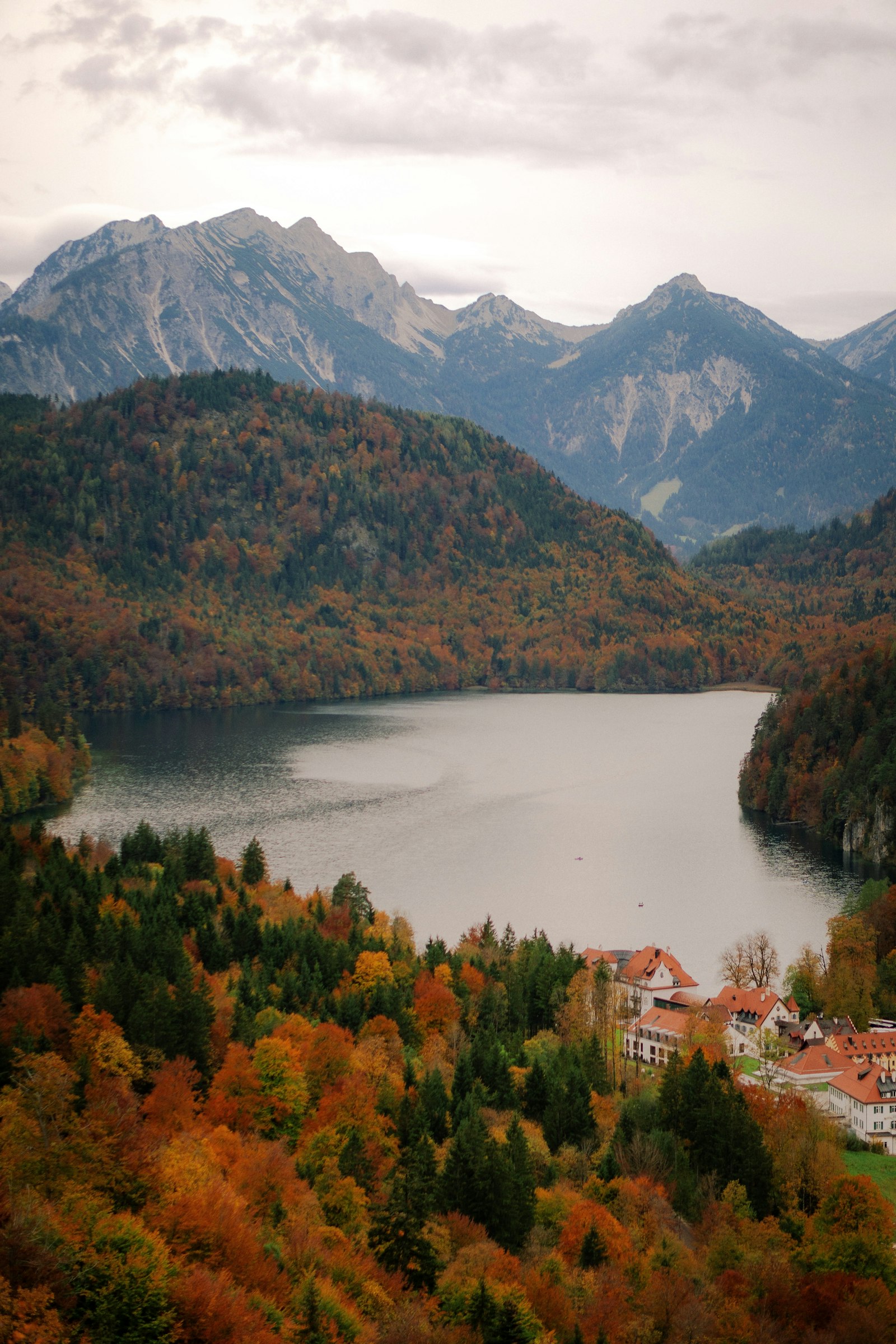
From the village up to the castle is a steep climb of about half an hour on foot, and you have three ways to make it: walk, take the shuttle bus, or ride up in a horse-drawn carriage. The horse carriage sounds like the most romantic option, and it is where I made my mistake, so let me save you the trouble.
We decided to wait for a carriage. The driver told us the next horse would arrive in about ten minutes. Ten minutes passed, then more, and no horse came. As we edged toward twenty minutes of waiting, with our timed tour slot looming, we started to panic that we would miss our entry entirely, so we gave up and walked up the hill after all, faster and more flustered than we would have liked. If your entry time is close, do not gamble on the carriage. The horses come when they come, they still leave you with a short walk at the top, and there is no guarantee about the wait. Either build in a very generous buffer, take the reliable shuttle bus, or simply enjoy the walk, which is lovely when you are not racing a clock. Learn from me: give yourself far more time between arriving in the village and your tour slot than you think you need.
When to go, and where to look
I visited in late September into October, and I would recommend autumn without hesitation. The summer crowds had thinned, the air was crisp and clear, and the hills around the castle were just starting to turn, all of which made that first view even more magical. Whenever you go, aim for the Marienbrücke for the classic shot, but do check whether it is open, as it can close in bad weather or over winter. Early in the day is best for both the light and the crowds.
Give yourself time in the valley too. The smaller, yellow Hohenschwangau castle sits nearby, the lakes below are beautiful, and the whole Alpine setting is a huge part of why Neuschwanstein feels the way it does.
Why it stays with you
I have wanted to see this castle for as long as I can remember, and it did not disappoint, which almost never happens with a place you have built up in your head for decades. The goosebumps were real. Standing in front of something you dreamed about as a child, and finding it even more beautiful than the picture books promised, is a rare and wonderful feeling, and it is exactly the kind of feeling this whole atlas exists to chase.
If Neuschwanstein is on your someday list, move it up. And when you go, book ahead, leave plenty of time, and maybe skip the horse.
For more storybook keeps, wander the Castles & Fortresses collection, where Neuschwanstein is only the beginning.
Keep exploring
The Most Enchanting Castles in Belgium
Belgium hides a startling number of storybook castles, from a six-towered fairytale keep near Dinant to a moated brick fortress on the edge of Brussels.
12 Fairytale Castles That Look Straight Out of a Storybook
Twelve castles that look conjured straight out of a fairytale. From the icon that inspired Disney to the cliff-cave keep most travelers never find.
The Most Enchanting Cafés & Beer Bars in Belgium
Belgium's real magic hides in its brown cafés and old beer bars, from a Bruges pub open since 1515 to a Brussels den where the surrealists once drank.